
Recognizing Teen Depression

As your teen matures into adulthood, their emotions associated with social and academic pressures, puberty, and decision making can often be overwhelming for them. Occasional emotional outbursts, aloofness, and frustration are expected behaviors from teens. Engaging your teen using direct communication and active listening, can help your son or daughter gain perspective, resolve feelings, and take appropriate actions.

But what do you do when your son or daughter is in an emotional funk that’s lasting several weeks or their mood seems stuck in a downward spiral? These behaviors may be signs of something more serious, your teen could be suffering from depression.

For some depressed teens, irritability and anger are prominent symptoms. Others may have difficulty concentrating and lack energy, or outwardly cry often and feel sad most of the time. With so many different symptoms possible, differentiating “typical teen moodiness” from depression can be difficult at times.

Some depressed teens cope with their pains using unhealthy, high risk behaviors such as cutting, drug and alcohol abuse, violence, and eating disorders. If you suspect depression and/or behavioral problems, take every symptom seriously, and take action immediately.

Speak Up – At the earliest opportunity, gently but directly ask your teen how he or she is feeling.  Bring up specific examples of behaviors you have observed. For example, “I’ve noticed you are in your room a lot and do not seem like your usual self lately ,” or “I notice you are not spending much time with your friends anymore. Can we talk about it?”

Be Available – Expect that your teen may not immediately open up, but don’t give up. Consistently offer compassion, respect, and understanding. Emphasize your love and support of your teen and that your goal is to help them find a way to feel better.

Listen Carefully When your teen begins to open up and talk about what they are experiencing, listen carefully and refrain from offering advice. Never criticize or dismiss his or her feelings. Don’t focus on trying to solve their problems, your role is to listen and gather information.

Acknowledge Feelings – Take your teen’s emotions and feelings seriously. Validate them by explaining that his or her feelings are very real and although they may not go away on their own, help is available.

Get Help – Schedule a visit with your teen’s doctor to discuss their symptoms and screen for depression. Remind your teen that depression is a medical illness that like so many other medical problems, can be treated successfully. Stay positive and encourage your teen throughout the process.

Follow Through – Some primary care doctors are comfortable treating depression, others may refer your teen to an appropriate mental health professional. Treatments may involve talk therapy, cognitive behavioral therapy, group therapy, family counseling, and/or lifestyle changes. If your son or daughter does not seem to be “clicking” with their mental health professional, try another one. Successful treatment requires time and commitment from both you and your teen, be proactive.

Mild to moderate depression typically responds well to therapy. More severe depression often requires both therapy and antidepressant medications. Your teen’s doctor will discuss which medications may be appropriate, their benefits, and potential risks. If your teen expresses any feelings that suggest they may want to harm themselves or that their life is not worth living, take action immediately. Call the National Suicide Prevention Lifeline at 1-800-273-TALK. This support line is open 24 hours.

The incidence of depression is increasing and research has made many advances in treatments. Depression is no longer a condition to be “swept under the rug,” ignored, or hidden away from society. For more information about teen depression and mental health, visit www.kidshealth.org and www.nimh.nih.gov

Cynthia Vanson, MD

Assistant Medical Director


Getting a Good Night’s Sleep

Good sleep is crucial for waking up feeling refreshed and full of energy. Achieving restorative, healthy sleep means practicing good sleep habits. Getting regular, good quality, deep sleep reduces your risk for many health conditions such as diabetes, cardiovascular disease, obesity, and depression. The amount of sleep a person needs each night varies. Most adults need between 7 and 9 hours of sleep each night. Unfortunately, it is estimated that more than a third of U.S. adults report sleeping less than 7 hours per night.

Insufficient sleep contributes to motor vehicle crashes and occupational accidents, causing substantial injuries, disabilities, and deaths each year. If you are not sleeping well, consider taking a close look at your lifestyle and any environmental factors that may be affecting your sleep habits. Also, discuss sleep related concerns with your doctor as certain medical conditions, medications, and sleep disorders can affect the quality and duration of your sleep.

Healthy Sleep Tips:

  • Wake up at the same time each morning, even on weekends.
  • Exercise moderately to promote good sleep
  • Avoid vigorous exercise in the few hours before going to bed.
  • Avoid overeating before bedtime
  • Avoid caffeine, nicotine and alcohol close to bedtime.

A Healthy Sleep Environment:

  • Create a quiet, dark, and relaxing environment
  • Your bedroom temperature should be neither too hot nor too cold.
  • Remove all electronic devices from the bedroom.
  • Use your bed for sleeping and not reading or watching TV
  • Invest in a quality, comfortable mattress
  • Change worn pillows and buy comfortable sheets

If sleep problems persist despite lifestyle and environmental changes, see your doctor. He or she can order some basic laboratory tests and discuss possible underlying medical issues that may be affecting your sleep. They can review the role specific medications may play in improving your sleep and determine if referral to a sleep disorders specialist is indicated.

Cynthia Vanson, MD

Assistant Medical Director

Sleep Disorders Defined

Most everyone has had the frustrating experience of feeling fatigue and a lack of energy following a night of sleeping poorly. Fortunately, most people are able to catch up on their sleep the following evening. When falling asleep and or staying asleep becomes an ongoing problem, this is known as insomnia. Chronic insomnia is disruptive to a person’s health and well-being and can be especially dangerous when an exhausted or sleepy person is driving or operating heavy machinery.

Sometimes chronic insomnia is due to another condition, or parasomnia, occurring at night. A parasomnia is an abnormality that can happen while a person is falling asleep or at any point during the sleep cycle. There are numerous different parasomnias and unfortunately, most have no identifiable cause. They affect people of all ages and often run in families. Stress, depression, sleep apnea, and certain medications may be contributing factors to parasomnias.

Sleep Apnea is not a parasomnia. Sleep apnea is a common disorder when a person has pauses in breathing during sleep.These breathing pauses last from a few seconds to minutes. Typically, normal breathing will start again after a snort or choking sound.When breathing pauses occur, oxygen levels in the body drop, causing the person move from a deep sleep into a lighter, poor quality sleep.

Examples of Parasomnias Include:

Somnambulism (Sleepwalking): This is a disorder when a person walks or does another activity while still asleep. Sleepwalking most often occurs during deep, non-REM (rapid eye movement) sleep early on in the night.

Sleep paralysis: This parasomnia occurs while a person is falling asleep. An affected individual feels unable to move for a period of time lasting from just a few seconds to several minutes. Sleep paralysis can be very frightening and may involve hallucinations.

Bruxism: This is a condition where a person grinds their teeth or clenches their jaw unintentionally during deep sleep. It may be related to stress or misaligned teeth. Bruxism can cause headaches or earaches. Prolonged nighttime grinding can wear down tooth enamel, chip teeth, and cause facial pain or jaw problems.

Night Terrors: Night terrors occur during deep, non-REM sleep. In contrast, nightmares and most dreams occur during REM sleep. During a Night Terror, a person will suddenly sit up in bed, may scream out loud and develop a rapid heartbeat and fast breathing. Because these incidents do not occur during REM sleep and lack associated visual images, episodes are typically not remembered when a person wakes.

Restless Legs Syndrome: Restless legs syndrome (RLS) is a disorder that causes strong urges for a person to move their legs in order to relieve strange and unpleasant feelings. These uncomfortable sensations are often described as creeping, crawling, pulling, itching, tingling, burning, aching, or electric shocks. The symptoms of RLS tend to be worse in the evening hours and frequently disrupt sleep.

Rapid Eye Movement Behavior Disorder: In this disorder, a person acts out nightmares or violent dreams during the REM sleep cycle. It occurs most commonly in men over 50, but can affect anyone. Rapid Eye Movement Behavior Disorder can be associated with taking certain medications or having an underlying neurologic disease.

Hypersomnia: A person with hypersomnia has recurrent episodes of excessive daytime sleepiness or prolonged nighttime sleep. They nap at inappropriate times such as during a conversation. These naps provide no relief from their symptoms of hypersomnia. Waking from periods of long sleep can be difficult and disorienting. This condition can be caused by narcolepsy or sleep apnea.

Nocturia: Awakening from sleep with the recurring need to pass urine more than two times each night. It can be an early and subtle clue to important underlying medical problems. Nocturia can occur at any age, but is more common after age 60.

Hypopnea: When sleep is disrupted by a person’s shallow breathing or abnormally low respiratory rates. Like in sleep apnea, sudden drops in blood oxygen levels cause a person to wake up out of a deeper, more restorative stage of sleep. Hypopnea can be caused by a nasal passage defect, obesity, old age, certain medications, smoking, and alcohol abuse.

Desynchronosis (Jet Lag): Occurs when the body’s natural sleep wake cycle (circadian rhythm) is disrupted by travel to a different time zone or by shift work. The body’s eating and sleeping patterns become out of sync. Some symptoms include headaches, fatigue, disorientation, and irritability. Maintaining good sleep hygiene habits can help overcome these symptoms more quickly.

Narcolepsy: This is a disorder of the central nervous system where the brain cannot control sleep-wake cycles. This causes periods of extreme daytime sleepiness and may cause muscle weakness. Some people who have the disorder fall asleep suddenly during the day, even if they’re in the middle of speaking, eating, or other activities.

Delayed Sleep Phase Syndrome: Delayed sleep phase disorder is when a person’s circadian rhythm (internal sleep clock) is shifted to falling asleep later at night and waking later in the morning. Sleep quality is generally normal, but delayed sleep pattern often interferes with work and social demands.

Snoring: Snoring occurs when a person can’t move air freely through his or her nose and mouth during sleep. This noisy breathing can be caused by vibrations in the tongue, upper throat, soft palate, uvula, tonsils or adenoids.

Anyone experiencing chronic difficulties sleeping should see a doctor for evaluation. If the cause of your insomnia is not clear, your doctor may suggest that you fill out a sleep diary. The diary will help you keep track of when you go to bed, how long you are in bed before falling asleep, how often you wake up during the night, when you get up in the morning and how well you sleep. A sleep diary may help you and your doctor to identify patterns and conditions that are affecting your sleep.

Based on your symptoms and physical findings, your doctor can develop an appropriate treatment plan and determine if a referral to a sleep disorder specialist is needed. Many sleep disorders are manageable and improve with a variety of different treatment options. So, if needed, seek care to get that good night’s rest.

Cynthia Vanson, MD

Blood Pressure Readings

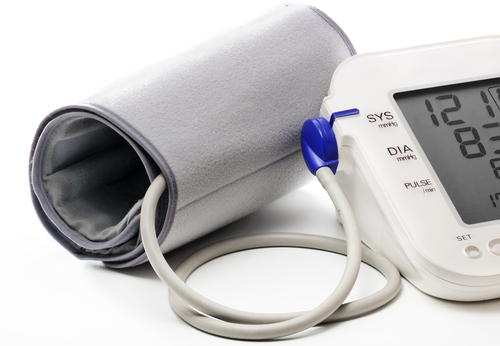
 What do blood pressure readings mean? Blood pressure is measured with an instrument called a sphygmomanometer. The top or “systolic” number measures blood pressure in the arteries when the heart beats and pumps blood out to the body. The bottom or “diastolic” number measures blood pressure in the arteries between heartbeats, when the heart muscle is refilling with blood. An example of a typical blood pressure is 120/80 mmHg. 120 is the systolic reading, and 80 is the diastolic reading. The abbreviation mmHg stands for millimeters of mercury, the unit used to measure blood pressures.

A normal blood pressure is a systolic reading below 120 and a diastolic reading below 80.  Hypertension is the term used to describe blood pressures above 140 systolic or 90 diastolic. Having systolic readings between 120 and 139 or diastolic readings between 80 and 89, indicate prehypertension, and places a person at increased risk for developing hypertension in the future.

Approximately one third of adults in the United States have some degree of hypertension. The following are some common risk factors that can lead to high blood pressure.


 ● A diet high in salt, fat, and/or cholesterol

● Chronic medical conditions such as kidney and hormone problems, diabetes and high     cholesterol

● Family history: You are more likely to have high blood pressure if your parents or other close relatives have it

● Lack of physical activity

● Older age: The older you are, the more likely you are to have high blood pressure

● Being overweight or obese

● Race: Non-Hispanic black people are more likely to have high blood pressure than people of other races.

● Stress

● Tobacco use or drinking too much alcohol

Most people with high blood pressure do not have any symptoms. This is why it’s sometimes called “the silent killer” and why it is so important to have your blood pressure checked regularly. If left untreated, hypertension can damage many parts of the body and increase a person’s risk for stroke, heart disease, and kidney failure.

You can have your blood pressure measured at a local doctor’s office, urgent care facility, hospital, visiting nurse association, and in some retail pharmacies. Sphygmomanometers can also be purchased for in home use.

If your blood pressure is found to be high, getting serious about lifestyle changes such as increasing exercise, smoking cessation and weight reduction can be very effective in reducing, even eliminating hypertension. If lifestyle changes alone don’t drop your blood pressure low enough, your doctor can prescribe medication to treat this condition.

More information on blood pressure and hypertension can be found at http://www.cdc.gov/bloodpressure/

Highly Contagious ‘Norovirus’ Spreading in U.S.

The Centers for Disease Control (CDC) reports that a highly contagious “stomach bug” called a “norovirus,” is now spreading in the U.S. and worldwide. This particular strain is said to have originated in Australia. Wide-spread norovirus infections can commonly occur on cruise ships and in schools.

A norovirus is a major cause of gastroenteritis, which is an inflammation of the stomach and small and large intestines. Norovirus symptoms are diarrhea, nausea or vomiting, abdominal cramps, and fever contracted primarily through infected fecal matter. Norovirus is not the influenza virus. Influenza usually does not cause symptoms such as vomiting or diarrhea.

Norovirus is contracted through direct contact with an infected person, by sharing foods or utensils; through contaminated food and liquids, or by touching contaminated surfaces and then your face and mouth. People with norovirus illness are contagious from the moment they begin feeling sick until at least 3 days after they recover. But, some people may be contagious for even longer.

Follow this advice from the CDC to help prevent you and others from getting sick:

  • Wash Hands Often – Use soap and water and scrub hands after using the bathroom, changing diapers and before handling food or eating. Norovirus can stay in your system for up to 2 weeks, so continue to wash your hands more frequently than usual during this time. In addition to hand washing you can use alcohol-based hand sanitizers.
  • Wash and Cook Food Thoroughly - Carefully wash fruits and vegetables before preparing and eating them. Noroviruses can survive temperatures up to 140°F and quick steaming processes often used for cooking shellfish. Cook shellfish thoroughly. Keep sick individuals out of food preparation areas. If you are sick, do not prepare food.
  • Clean and Disinfect Contaminated Surfaces – Wear gloves and after vomiting and episodes of diarrhea, clean surfaces immediately with a chlorine bleach solution (5–25 tablespoons of household bleach [5.25%] per gallon of water) or other disinfectant registered as effective against norovirus by the Environmental Protection Agency (EPA).
  • Wash Laundry Thoroughly – Handle contaminated clothes and linens carefully and wash them immediately. Wear rubber or disposable gloves and wash your hands afterwards. Wash the items with detergent in hot water at the maximum available cycle length then machine dry them.

It is important to drink plenty of fluids lost through vomiting and diarrhea to avoid dehydration. Antibiotics are not effective in treating norovirus. Time, rest and avoiding contact with others is important. See a doctor or go to an urgent care walk-in clinic if you or someone you are caring for seems dehydrated. For additional information go to www.cdc.gov

January is National Thyroid Awareness Month

Symptoms of an Overactive or Underactive Thyroid…

Hyperthyroidism means too much thyroid hormone is being produced by the thyroid gland and the thyroid gland is overactive.

Symptoms of Hyperthyroidism

  • Nervousness, Anxiety
  • Irritability
  • Increased perspiration
  • Heart racing
  • Hand tremors
  • Difficulty sleeping
  • Thinning of skin, brittle hair
  • Muscle weakness
  • Frequent bowel movements
  • Weight loss
  • High energy
  • Fatigue

Hypothyroidism means that the thyroid gland cannot make enough thyroid hormone to keep the body running normally and the thyroid is underactive.

Symptoms of Hyporthyroidism

  • Intolerance to cold
  • Extreme fatigue
  • Lack of energy
  • Dry skin
  • Forgetfulness
  • Depression
  • Constipation
  • Weight gain

There are many causes of thyroid disorders. For more complete information, visit your doctor or go to the American Thyroid Association website at www.thyroid.org

Watch Your Back When You Lift!

Whether you are taking boxes down from the attic to decorate for the holidays, lugging boxes moving to a new home, or lifting regularly at your workplace, it is essential to watch your back. Improper lifting techniques can cause both short and long term back injuries. Learning to lift properly will help you accomplish your tasks while reducing your chances of hurting or disabling yourself.

Back injuries can be caused by a single defined instance or as the result of improper lifting techniques over time. Injuries can arise from damage to muscles, ligaments, vertebrae or vertebral discs. Back injuries account for a significant amount of human suffering and lost productivity. For individuals in their working years, back problems are one of the leading causes of disability. The economic impact of back injuries is expected to rise over the next several decades due to the aging population and growing healthcare costs.

Since back injuries result from exceeding the capability of the muscles, tendons, and discs, it is important to avoid lifting loads that are just too heavy for the back to support. Injuries can also occur due to a cumulative effect of contributing factors that include

  • Reaching while lifting
  • Poor posture or physical condition
  • Twisting or bending while lifting
  • Ergonomic deficiencies for job workstations
  • Sitting or standing for too long
  • Improper body mechanics for lifting, carrying, pushing or pulling objects

Be safe by planning ahead before you are going to lift anything. Being familiar with the area you are lifting in and knowing exactly where you are moving an item to can reduce the time your body is under the stress of lifting and prevent tripping due to obscured sightlines you may have while carrying a large object. If you will be lifting an item with another person, make sure you both agree on the technique and path beforehand.

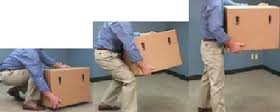
Lifting safely starts with getting a firm hold on the object, then bending your knees while keeping your back straight, and finally lifting with your legs. It is important to have a solid, stable base to lift from, so keep your feet shoulder width apart. While lifting, tighten your stomach muscles to support your back. If at any point the object is too heavy or your grip loosens, ask for assistance if available, and slowly guide the item down to a resting place.

If you do injure your back, visit your doctor or nearest Urgent Care Center for an evaluation. Certain medications and rehabilitation exercises can help reduce the number of days you are in pain, returning you to your normal activities sooner.


Cynthia Vanson, MD

Assistant Medical Director, Urgent Care of Connecticut.

Slowing It Down During the Holidays

The busy holiday season is getting into full swing! You may be feeling that urge to want to do everything for everyone else, but it is important to remember to make sure you are taking care of yourself. Since unmanaged stress can lead to many health issues, make it a personal goal to not overcommit yourself and avoid having stress negatively impact your holidays this year.

Accepting responsibility for the role you play in creating and managing the stress in your life is helpful when balancing time spent between work, home, and entertainment. Simplify your “to do” list, focusing on the most important tasks. Be realistic about what you can and cannot do. Making a plan for each individual week can help keep you organized and on target.Set a strict budget for spending on holiday gifts and stick to it. Write down what you want to purchase for each person, the budget amount, and where to buy it. Having a lot of debt to pay off after the holidays can increase stress levels significantly. Keep gifts simple and thoughtful.

When heading out to hit the stores, take a deep breath before you start driving and take it slow. Try to allot enough time at each stop to avoid feeling rushed. Rushing around and being distracted can lead to careless driving and ultimately increase your risk of getting a traffic violation or worse yet, being involved in a car accident.

These quick tips can also help tame holiday stress:

• Plan a Simple Holiday Menu
• Keep a Relaxed and Positive Outlook.
• Get Enough Sleep
• Exercise Daily for 30 Minutes or less
• Eat Balanced, Nutritious Meals
• Take a Break and Pamper Yourself
• Ask for Help!

So be good to yourself and enjoy all the wonders of the season.
Happy Holidays from Urgent Care of Connecticut!

Cynthia Vanson, MD
Assistant Medical Director, Urgent Care of Connecticut

Walk-In Physicals for School & Sports Physicals

Updated physical exams are often required for children to start school or for young athletes to participate in sports. All children should be followed annually by a pediatrician or family medical doctor. Well visits monitor growth and development, provide education, and keep immunizations current. These visits, when completed in primary care offices, are typically covered by health insurances.

Busy personal schedules and limited appointment availability can sometimes make it difficult to schedule your child for a well visit with their regular doctor. If deadlines are approaching and you can’t get a timely appointment for your child, consider visiting an urgent care center. Many urgent care offices provide walk in availability for school and sports physicals.  Keep in mind that when these physicals are done outside primary care offices, they cannot be submitted through insurance companies and payment is often due at the time of the visit. Providing your child’s complete immunization record is essential for completing most school and sports forms.

Having a “Medical Home” for your child at a primary care doctor’s office is best, but when this is not possible, urgent care offices provide convenient services for meeting school, sports, or camp requirements

Dr. Cynthia Vanson,

Assistant Medical Director for Urgent Care of Connecticut

Urgent Care of Connecticut provides information about walk-in physical exams on their website www.ucofconnecticut.com


West Nile Cases Climb to New High, Fight the Bite

According to the Centers for Disease Control and Prevention (CDC), as of September 11, 2012, 48 states have reported finding West Nile virus in people, birds, or mosquitos. There have been 2,636 cases of West Nile infections reported in people.

West Nile virus is spread through infected mosquitoes who have fed on infected birds. If you find one or several dead birds in your area, avoid touching them or moving them. Instead, contact your local health department to report your finding. The health department will make arrangements for the birds to be collected and tested for West Nile.

(more…)