
Choosing The Right Sunscreen

shutterstock_79558222

Choosing a sunscreen seems simple, but with so many brands and variations available on the shelf, deciding which product best meets your needs can be difficult.

  1. Always choose a broad-spectrum or multi-spectrum sunscreen that protects you from both UVB and UVA rays.
    UVB rays cause sunburn, the SPF (sun protection factor) listed on a bottle refers to that product’s ability to block UVB rays. Although UVA rays do not cause sunburn, they will penetrate deep into the skin, causing wrinkles and other skin changes. Since exposure to UVA rays can also increase your risk of developing skin cancer, it’s important to use sunscreen products that block both UVB and UVA rays.
  1. Use products with an SPF of 15 or higher for adequate UVB protection. If you would normally develop sunburn after 10 minutes of exposure, applying a product with an SPF of 15 will multiply that by a factor of 15, meaning you could go 150 minutes before burning. Determining exactly which SPF is right for you depends on your skin type and if you have any underlying skin conditions or sensitivities. SPF 15 is effective for most people, those with fair skin, freckles, or light hair should use products with higher SPFs. Individuals spending extended amounts of time in the sun or who have family members that have developed skin cancer should also opt for sunscreens containing higher SFPs.
  1. Water or sweat resistance options. If you will be exercising or enjoying the water poolside or at the beach, make sure you purchase a sunscreen that is water and sweat resistant. These products are not waterproof, so don’t forget to reapply regularly.
  1. Kid-friendly and sensitive skin sunscreen.
    These products are often made without ingredients like alcohol and certain fragrances or preservatives that can be more irritating to those with sensitive skin.

While choosing the right sunscreen is important, applying it correctly is essential for proper protection against the harmful effects of the sun. Apply before you go outside using a thick layer on all parts of exposed skin. Remember sunscreen wears off, reapply if you have been out in the sun for more than 2 hours or after swimming or exercising.

National EMS Week

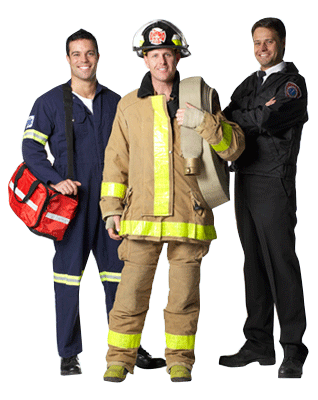
National Emergency Medical Services Week is a time to honor the dedication of those who provide the day-to-day lifesaving services on the front-line of medicine. EMSweek

Top 5 Characteristics that Best Describe Emergency Personnel

  1. Brave
  2. Compassionate
  3. Dedicated
  4. Empathetic
  5. Strong

Whether fighting crime, fires, or being the first to provide care when the need arises – emergency personnel are out there saving lives every day. During times of emergencies, it is easy to forget to show appreciation to the ones who are helping you, so be sure to thank them for their bravery, courage, and dedication!

Seasonal Allergies

Tips for Dealing with Spring Allergies

shutterstock_113160949
  • Avoid being outside during high pollen count hours – Pollen count is usually at its highest between 10am and 4pm
  • Use an HEPA (high-efficiency particulate air) filter on your furnace and air conditioner
  • Download the free pollen.com app for your iPhone so you can check what the pollen count is wherever you are
  • If you have pets, wipe their fur and paws after they have been outside to prevent them from tracking pollen into your home.
  • If staying indoors isn’t enough to prevent your allergy symptoms – try taking over the counter allergy medications, such as Claritin, Zyrtec, Allergra, etc.
  • If over the counter medications don’t help relieve your allergy symptoms – consider seeing an allergist who can better help treat your symptoms

Source: www.familydoctor.org, www.pollen.com

Benefits of Kite Flying

kiteKite flying is a great way to clear your mind, have fun, and has several health benefits.

1. Eye stimulation – With our constant use of mobile phones and computer screens, our eyes can get tired and unfocused.  Focusing on a distant object against a soothing blue sky can reduce eye strain caused by ever present technology.

2. Neck/Shoulder Exercise – Sitting at a desk doesn’t promote good posture; flying a kite allows us to stretch our neck and shoulder muscles.

3. Stress Reliever – Flying a kite is relaxing.  When watching a kite drift across an open, blue sky, one focuses on the moment, not on the daily stresses of life.

4. Connect to Nature – Being outdoors provides an opportunity to appreciate the natural beauty present in the sky and in surrounding landscapes that is sometimes taken for granted.

5. Fresh Air – Filling your lungs with fresh air can revitalize and refresh.

Acetaminophen Awareness

An Overdose Warning for Acetaminophen

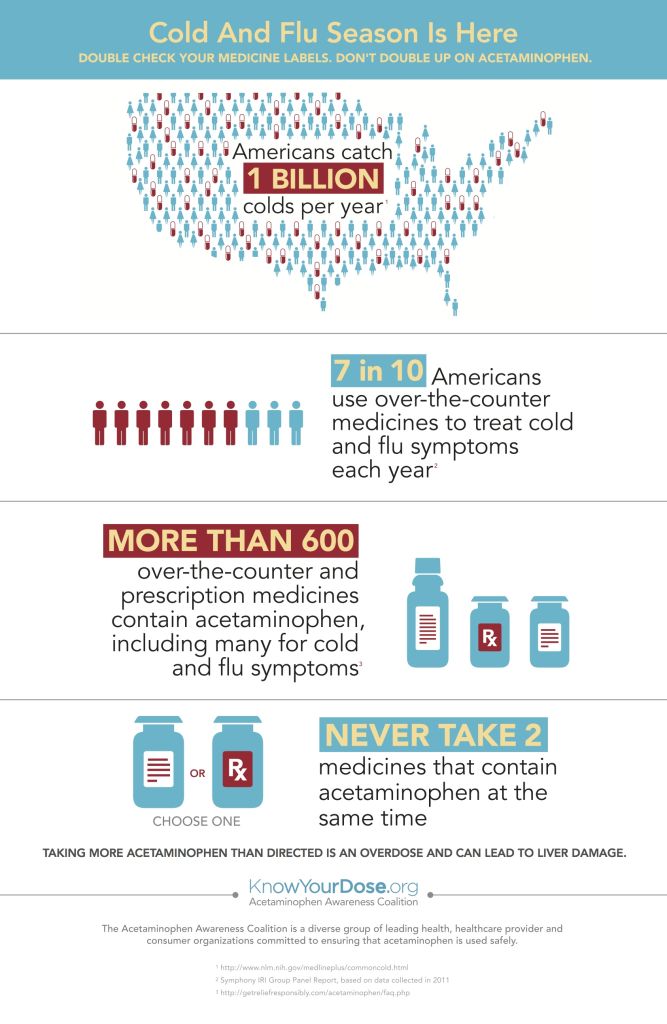
According to The National Institutes of Health (NIH), Americans catch one billion colds each year and about 20% of Americans will contract the flu. Many of the over-the-counter (OTC) medications frequently used to alleviate flu and cold discomfort contain acetaminophen.

Taking OTC medicines containing acetaminophen is so commonplace, but beware that overdosing can cause liver damage; sometimes serious enough to require liver transplantation, or even cause death. You might accidentally take too much acetaminophen if prescription or package labels are not followed carefully, or if you take more than one product that contains acetaminophen.

The current maximum recommended adult dose of acetaminophen is 4 grams (4,000 milligrams) per day. If you have difficulty calculating how much acetaminophen to take daily, ask your pharmacist or healthcare provider to help you. If you have liver disease or consume three or more alcoholic drinks each day, check with your doctor before taking acetaminophen.

Symptoms of acetaminophen overdose:

  • Nausea
  • Vomiting
  • Loss of appetite
  • Sweating
  • Extreme fatigue
  • Unusual bleeding or bruising
  • Pains in the upper right part of the abdomen
  • Yellowing of the skin or eyes
  • Flu-like symptoms

If someone takes more than the recommended dose of acetaminophen and does not appear to have any symptoms, call poison control (1-800-222-1222) and seek medical care immediately. If the person appears ill from an acetaminophen overdose, call 911.

To avoid overdosing:

  • Use only one OTC product containing acetaminophen at any given time.
  • Check if any of your prescription medications contain acetaminophen. If they do, never take any OTC products containing acetaminophen while taking the prescribed medication that contains acetaminophen.
  • Take all medications exactly as directed on the prescription or package label.
  • Do not drink alcohol while taking acetaminophen products.

If you are purchasing an acetaminophen-containing product, and have questions, ask the pharmacist or your healthcare provider for advice.

For more information on acetaminophen, follow the link below:

http://www.nlm.nih.gov/medlineplus/druginfo/meds/a681004.html#skip

 Click on the photo below for an overview on acetaminophen:AcetominophenInfographic copy