Is My Child Too Young to be Depressed?

When we think about children, we visualize happy, spontaneous beings full of boundless energy, laughter, silliness and curiosity. For many of us, it is difficult to imagine young children with depression. So how young is too young to be diagnosed with depression? Unfortunately, there is no concrete answer.

According to the New York Times Magazine article, “Can Preschoolers be Depressed?” by Pamela Paul, August 25, 2010, “Today a number of child psychiatrists and developmental psychologists say depression can surface in children as young as 2 or 3.” These theories have garnered opposition, sparking significant controversy. Some mental health professionals question whether preschoolers have the developmental capacity to be diagnosed and labeled with depression. Emotional development and behaviors change frequently throughout childhood, making it difficult to determine if a child’s “acting out”, sadness, frequent crying jags, or anger are due to growth phases or depression.

The World Health Organization cites that, “major depressive disorder is the leading cause of disability among Americans age 15 to 44.” Even though the risk for developing depression is much greater when a child becomes a teenager, it is important to look for signs of depression in your child, throughout their childhood. Some common symptoms of depression include:

  • Withdrawing Socially
  • Oversensitivity to Rejection
  • Poor Performance in School
  • Low Self Esteem/Feelings of Worthlessness
  • Feelings of Guilt
  • Sleep and Appetite Changes
  • Loss of Interest in Activities/Boredom
  • Frequent Complaints of Stomach Aches or Headaches
  • Profound Sadness
  • Acting out/Anger/Irritability

If your child exhibits any of these symptoms for a few weeks or longer, approach their teacher(s) to gain additional information. Is your child showing the same signs of depression while in school? How is their academic performance? How does your child relate with their fellow classmates?  The next step is scheduling a visit to your child’s pediatrician or family doctor to discuss your concerns. In addition to screening for depression, the doctor may also ask questions about recent life events, family history of psychiatric illness, the home environment, and your child’s physical health. If depression is suspected, the pediatrician or family doctor will refer you and your child to a child psychiatrist or psychologist for a thorough evaluation so treatment, if needed, can start as soon as possible.

Depression and mental health research has come a long way over the decades. Treatment options include counseling, medications, and lifestyle changes.  When identified, depression, like so many other medical illnesses, can be successfully treated, maximizing the quality of life for the very young, the very old, and every age in between. To learn more, visit The National Institute of Mental Health website at www.nimh.nih.gov or The National Alliance on Mental Illness at www.nami.org

Recognizing Teen Depression

As your teen matures into adulthood, their emotions associated with social and academic pressures, puberty, and decision making can often be overwhelming for them. Occasional emotional outbursts, aloofness, and frustration are expected behaviors from teens. Engaging your teen using direct communication and active listening, can help your son or daughter gain perspective, resolve feelings, and take appropriate actions.

But what do you do when your son or daughter is in an emotional funk that’s lasting several weeks or their mood seems stuck in a downward spiral? These behaviors may be signs of something more serious, your teen could be suffering from depression.

For some depressed teens, irritability and anger are prominent symptoms. Others may have difficulty concentrating and lack energy, or outwardly cry often and feel sad most of the time. With so many different symptoms possible, differentiating “typical teen moodiness” from depression can be difficult at times.

Some depressed teens cope with their pains using unhealthy, high risk behaviors such as cutting, drug and alcohol abuse, violence, and eating disorders. If you suspect depression and/or behavioral problems, take every symptom seriously, and take action immediately.

Speak Up – At the earliest opportunity, gently but directly ask your teen how he or she is feeling.  Bring up specific examples of behaviors you have observed. For example, “I’ve noticed you are in your room a lot and do not seem like your usual self lately ,” or “I notice you are not spending much time with your friends anymore. Can we talk about it?”

Be Available – Expect that your teen may not immediately open up, but don’t give up. Consistently offer compassion, respect, and understanding. Emphasize your love and support of your teen and that your goal is to help them find a way to feel better.

Listen Carefully When your teen begins to open up and talk about what they are experiencing, listen carefully and refrain from offering advice. Never criticize or dismiss his or her feelings. Don’t focus on trying to solve their problems, your role is to listen and gather information.

Acknowledge Feelings – Take your teen’s emotions and feelings seriously. Validate them by explaining that his or her feelings are very real and although they may not go away on their own, help is available.

Get Help – Schedule a visit with your teen’s doctor to discuss their symptoms and screen for depression. Remind your teen that depression is a medical illness that like so many other medical problems, can be treated successfully. Stay positive and encourage your teen throughout the process.

Follow Through – Some primary care doctors are comfortable treating depression, others may refer your teen to an appropriate mental health professional. Treatments may involve talk therapy, cognitive behavioral therapy, group therapy, family counseling, and/or lifestyle changes. If your son or daughter does not seem to be “clicking” with their mental health professional, try another one. Successful treatment requires time and commitment from both you and your teen, be proactive.

Mild to moderate depression typically responds well to therapy. More severe depression often requires both therapy and antidepressant medications. Your teen’s doctor will discuss which medications may be appropriate, their benefits, and potential risks. If your teen expresses any feelings that suggest they may want to harm themselves or that their life is not worth living, take action immediately. Call the National Suicide Prevention Lifeline at 1-800-273-TALK. This support line is open 24 hours.

The incidence of depression is increasing and research has made many advances in treatments. Depression is no longer a condition to be “swept under the rug,” ignored, or hidden away from society. For more information about teen depression and mental health, visit www.kidshealth.org and www.nimh.nih.gov

Cynthia Vanson, MD

Assistant Medical Director


IT’S SPRING – IS IT A COLD OR ALLERGIES?

The start of spring brings warm weather, rain, flowers, and a lot of coughing, congestion, and runny noses. So, is it the common cold or are allergies triggering these uncomfortable symptoms?  Since it can be hard to differentiate between these conditions, here are a few tips to help determine whether it’s a common cold or allergies causing your stuffy nose.

Common Colds can be caused by over 200 different viruses. These viruses can enter your body when you come in contact with a person who is already sick with a virus. Since most cold viruses are spread through respiratory droplets, covering coughs and sneezes and proper hand washing are extremely important to prevent spreading your cold to others around you.

When your immune system recognizes that there is a cold virus present, it begins to attack it. Your body experiences “side effects” of this attack, like congestion and cough. When your immune system successfully fights off the virus, symptoms resolve. Most colds will last 5 to 7 days.

Allergies, unlike colds, are not contagious.  They are caused by exposure to allergens; such as dust, dander, mold or pollen. When your immune system senses a specific allergen it is sensitive to, chemicals called histamines are released. These histamines trigger symptoms like runny nose, coughing, and sneezing. Since your immune system has no way of fighting off the allergens, symptoms caused by allergies tend to last much longer than symptoms from a common, viral cold.

Differences between a cold and allergies:

Characteristics

Cold

Allergy

Duration

3-14   days

Days to   months,

as long   as there is continued exposure to the allergen

Time of   Year

Commonly   during the winter, but possible at any time.

Any time   of year, but some allergens appear seasonally.

Onset of   Symptoms

A few   days after infection with a virus

Immediately   after exposure to the allergen.

Symptoms

Cold

Allergy

Cough

Often

Sometimes

Aches

Sometimes

Never

Fatigue

Sometimes

Sometimes

Fever

Sometimes

Never

Itchy,   watery eyes

Rarely

Often

Sore   Throat

Often

Sometimes

Runny or   stuffy nose

Often

(usually   thicker discharge)

Often

(usually   thinner discharge)


As you can see, symptoms of common colds and allergies are very similar. A key difference is how long symptoms last. Common colds rarely last longer than 14 days. If you are continuing to experience symptoms after 14 days, allergies or a more serious infection may be causing your problems and you should see your doctor for a complete evaluation.

Unfortunately, there is no cure for the common cold. All you can do to feel better is to treat your symptoms while your body fights off the virus. Get plenty of rest. Drink a lot of fluids such as water and clear soups. Fluids help loosen mucus and prevent dehydration. Stop smoking and avoid secondhand smoke, which can make cold symptoms worse. Analgesics like ibuprofen and acetaminophen can relieve aches and reduce fever. Some over the counter cold medicines contain ingredients that may reduce cough or thin mucus. Be sure to read all labels on over the counter medicines very carefully. If you have questions about them, talk to your doctor or pharmacist.


If you can’t avoid exposure to the allergen you are sensitive to (like pollens, molds, pet dander, or dust), there are several different medications available to treat symptoms caused by allergies. Choosing the right one for you depends on the specific symptoms you are having, your age, and your overall health. Over the counter antihistamine medications (some brand names: Benadryl, Zyrtec, Claritin, Allegra) help reduce the sneezing, runny nose and itchiness of allergies. These work best if they are taken before a person is exposed to the allergen. Some of these antihistamine medications can cause drowsiness, consult your pharmacist or doctor to learn more details about antihistamines. Over the counter decongestants help temporarily relieve stuffy nose symptoms but should only be used for short periods of time. Decongestants can raise your blood pressure, so it’s a good idea to talk to your doctor before using them, especially if you have high blood pressure. If over the counter measures are not keeping your allergy symptoms in check, there are additional types of allergy medications available by prescription, your doctor can discuss which options are best for you. For more information on specific types of allergens and how to avoid them, visit www.acaai.org/public/advice/rhin.htm

Urgent Care of CT Executives Speak at National Conference

URGENT CARE OF CT EXECUTIVES SPEAK AT NATIONAL CONFERENCE

Three nationally-recognized executives from Urgent Care of Connecticut were invited to speak at the Urgent Care Association of America’s (UCAOA) 2013 Spring Annual Convention held April 8-11 in Orlando, FL. The UCAOA’s spring conference is an annual meeting consisting of approximately 600-800 attendees covering a myriad of clinical and business-focused topics with representation from over 80 exhibitors. Sharing their expertise and knowledge to urgent care providers, business owners, administrators and clinical staff members from across the country were Chief Medical Officer, Dr. Jeannie Kenkare, Chief Executive Officer, Dr. Robert Rohatsch, and Chief Performance Officer, Beth Agen, MBA.

Dr. Kenkare was asked to speak on two separate topics including “Pre-operative Evaluations in the Urgent Care Center.” As a local expert in this area, she presented the latest data and national recommendations regarding preparation of the “healthy” vs. “unhealthy” patient for minor, intermediate and high-risk non-cardiac surgeries.

Her second topic was “Medical Evaluation of the Pregnant Patient in the Urgent Care Setting”.  She discussed the physiologic changes which occur in pregnancy, the management of common medical illnesses which may occur in the pregnant patient, and the safety of medications used to treat these illnesses in pregnancy.

Dr. Rohatsch presented “Creating a High Performance Corporate Culture.” As CEO and founding partner of Urgent Care of Connecticut, Dr. Rohatsch shared his vision for fostering a positive corporate culture through a highly-focused business strategy, mission and corporate philosophy. He discussed how to set the highest standards for business growth, quality, legislative adherence and financial performance, and how to transcend these standards into a flourishing corporate culture with positive patient relationships and experiences.

Beth Agen, MBA presented her area of expertise “Assessing Employee Performance.” Ms. Agen discussed how job descriptions affect employee performance; creating an informal feedback loop in order to provide employees with continuous performance feedback; ways to recognize the importance of, and understanding how to balance, positive and negative observations; knowing how to set formal employee performance goals that are time-bound and measurable; and implementing interventions that break negative cycles of behavior.

About Urgent Care of Connecticut

Established in 2008 in Southbury, CT, Urgent Care of Connecticut is the physician-owned leader for urgent care of non-life threatening medical conditions in the State. As the first urgent care center in Connecticut to be certified by the Urgent Care Association of America, Urgent Care of Connecticut prides itself on treating patients as individuals – with compassion and respect – and assists the communities it serves by alleviating stress on hospital emergency rooms and primary care physician offices alike.

As full-service walk-in clinics with offices in Brookfield, Glastonbury, Norwalk, Ridgefield, and Southbury, Urgent Care of Connecticut offers walk-in treatment for a wide array of illnesses and injuries ranging from influenza, other viral infections, strep throat, lacerations, fractures, poison ivy, Lyme disease, and vaccinations. X-Rays, blood and urine tests, EKG’s, physical exams, IV fluid/medication are also offered.

Getting a Good Night’s Sleep

Good sleep is crucial for waking up feeling refreshed and full of energy. Achieving restorative, healthy sleep means practicing good sleep habits. Getting regular, good quality, deep sleep reduces your risk for many health conditions such as diabetes, cardiovascular disease, obesity, and depression. The amount of sleep a person needs each night varies. Most adults need between 7 and 9 hours of sleep each night. Unfortunately, it is estimated that more than a third of U.S. adults report sleeping less than 7 hours per night.

Insufficient sleep contributes to motor vehicle crashes and occupational accidents, causing substantial injuries, disabilities, and deaths each year. If you are not sleeping well, consider taking a close look at your lifestyle and any environmental factors that may be affecting your sleep habits. Also, discuss sleep related concerns with your doctor as certain medical conditions, medications, and sleep disorders can affect the quality and duration of your sleep.

Healthy Sleep Tips:

  • Wake up at the same time each morning, even on weekends.
  • Exercise moderately to promote good sleep
  • Avoid vigorous exercise in the few hours before going to bed.
  • Avoid overeating before bedtime
  • Avoid caffeine, nicotine and alcohol close to bedtime.

A Healthy Sleep Environment:

  • Create a quiet, dark, and relaxing environment
  • Your bedroom temperature should be neither too hot nor too cold.
  • Remove all electronic devices from the bedroom.
  • Use your bed for sleeping and not reading or watching TV
  • Invest in a quality, comfortable mattress
  • Change worn pillows and buy comfortable sheets

If sleep problems persist despite lifestyle and environmental changes, see your doctor. He or she can order some basic laboratory tests and discuss possible underlying medical issues that may be affecting your sleep. They can review the role specific medications may play in improving your sleep and determine if referral to a sleep disorders specialist is indicated.

Cynthia Vanson, MD

Assistant Medical Director

Sleep Disorders Defined

Most everyone has had the frustrating experience of feeling fatigue and a lack of energy following a night of sleeping poorly. Fortunately, most people are able to catch up on their sleep the following evening. When falling asleep and or staying asleep becomes an ongoing problem, this is known as insomnia. Chronic insomnia is disruptive to a person’s health and well-being and can be especially dangerous when an exhausted or sleepy person is driving or operating heavy machinery.

Sometimes chronic insomnia is due to another condition, or parasomnia, occurring at night. A parasomnia is an abnormality that can happen while a person is falling asleep or at any point during the sleep cycle. There are numerous different parasomnias and unfortunately, most have no identifiable cause. They affect people of all ages and often run in families. Stress, depression, sleep apnea, and certain medications may be contributing factors to parasomnias.

Sleep Apnea is not a parasomnia. Sleep apnea is a common disorder when a person has pauses in breathing during sleep.These breathing pauses last from a few seconds to minutes. Typically, normal breathing will start again after a snort or choking sound.When breathing pauses occur, oxygen levels in the body drop, causing the person move from a deep sleep into a lighter, poor quality sleep.

Examples of Parasomnias Include:

Somnambulism (Sleepwalking): This is a disorder when a person walks or does another activity while still asleep. Sleepwalking most often occurs during deep, non-REM (rapid eye movement) sleep early on in the night.

Sleep paralysis: This parasomnia occurs while a person is falling asleep. An affected individual feels unable to move for a period of time lasting from just a few seconds to several minutes. Sleep paralysis can be very frightening and may involve hallucinations.

Bruxism: This is a condition where a person grinds their teeth or clenches their jaw unintentionally during deep sleep. It may be related to stress or misaligned teeth. Bruxism can cause headaches or earaches. Prolonged nighttime grinding can wear down tooth enamel, chip teeth, and cause facial pain or jaw problems.

Night Terrors: Night terrors occur during deep, non-REM sleep. In contrast, nightmares and most dreams occur during REM sleep. During a Night Terror, a person will suddenly sit up in bed, may scream out loud and develop a rapid heartbeat and fast breathing. Because these incidents do not occur during REM sleep and lack associated visual images, episodes are typically not remembered when a person wakes.

Restless Legs Syndrome: Restless legs syndrome (RLS) is a disorder that causes strong urges for a person to move their legs in order to relieve strange and unpleasant feelings. These uncomfortable sensations are often described as creeping, crawling, pulling, itching, tingling, burning, aching, or electric shocks. The symptoms of RLS tend to be worse in the evening hours and frequently disrupt sleep.

Rapid Eye Movement Behavior Disorder: In this disorder, a person acts out nightmares or violent dreams during the REM sleep cycle. It occurs most commonly in men over 50, but can affect anyone. Rapid Eye Movement Behavior Disorder can be associated with taking certain medications or having an underlying neurologic disease.

Hypersomnia: A person with hypersomnia has recurrent episodes of excessive daytime sleepiness or prolonged nighttime sleep. They nap at inappropriate times such as during a conversation. These naps provide no relief from their symptoms of hypersomnia. Waking from periods of long sleep can be difficult and disorienting. This condition can be caused by narcolepsy or sleep apnea.

Nocturia: Awakening from sleep with the recurring need to pass urine more than two times each night. It can be an early and subtle clue to important underlying medical problems. Nocturia can occur at any age, but is more common after age 60.

Hypopnea: When sleep is disrupted by a person’s shallow breathing or abnormally low respiratory rates. Like in sleep apnea, sudden drops in blood oxygen levels cause a person to wake up out of a deeper, more restorative stage of sleep. Hypopnea can be caused by a nasal passage defect, obesity, old age, certain medications, smoking, and alcohol abuse.

Desynchronosis (Jet Lag): Occurs when the body’s natural sleep wake cycle (circadian rhythm) is disrupted by travel to a different time zone or by shift work. The body’s eating and sleeping patterns become out of sync. Some symptoms include headaches, fatigue, disorientation, and irritability. Maintaining good sleep hygiene habits can help overcome these symptoms more quickly.

Narcolepsy: This is a disorder of the central nervous system where the brain cannot control sleep-wake cycles. This causes periods of extreme daytime sleepiness and may cause muscle weakness. Some people who have the disorder fall asleep suddenly during the day, even if they’re in the middle of speaking, eating, or other activities.

Delayed Sleep Phase Syndrome: Delayed sleep phase disorder is when a person’s circadian rhythm (internal sleep clock) is shifted to falling asleep later at night and waking later in the morning. Sleep quality is generally normal, but delayed sleep pattern often interferes with work and social demands.

Snoring: Snoring occurs when a person can’t move air freely through his or her nose and mouth during sleep. This noisy breathing can be caused by vibrations in the tongue, upper throat, soft palate, uvula, tonsils or adenoids.

Anyone experiencing chronic difficulties sleeping should see a doctor for evaluation. If the cause of your insomnia is not clear, your doctor may suggest that you fill out a sleep diary. The diary will help you keep track of when you go to bed, how long you are in bed before falling asleep, how often you wake up during the night, when you get up in the morning and how well you sleep. A sleep diary may help you and your doctor to identify patterns and conditions that are affecting your sleep.

Based on your symptoms and physical findings, your doctor can develop an appropriate treatment plan and determine if a referral to a sleep disorder specialist is needed. Many sleep disorders are manageable and improve with a variety of different treatment options. So, if needed, seek care to get that good night’s rest.

Cynthia Vanson, MD

Eating Healthy & Getting Good Daily Nutrition

Eating right and making sure you are getting optimal daily nutrition is all about making the right choices, and making simple changes. Keys to healthy eating include increasing your intake of whole grains, lean proteins, fruits, vegetables, and low-fat dairy products. Cutting back on eating foods with solid, or saturated fats is also very important.

Grains are divided into two subgroups, whole grains and refined grains. Whole grains contain the whole kernel (the bran, the germ, and the endosperm). People who eat more whole grains as part of a healthy diet reduce their risk of developing certain chronic diseases. Refined grains, when compared to whole grains, have been significantly modified from their original natural composition. They are often mixed and bleached with other, less healthy ingredients.

Although refined grain products may be “enriched” with thiamine, riboflavin, niacin, or iron, these added nutrients represent only a fraction of the nutrients lost during processing, still leaving them nutritionally inferior to whole grains. Increasing whole grains in your diet can be very simple; just replace white bread with 100% whole wheat bread, or replace white rice with brown rice.

Dietary proteins include both animal (meat, poultry, seafood, and eggs) and plant (beans, peas, soy products, nuts, and seeds) sources. We all need protein, but how much is enough? Most people should eat 5 to 7 ounces of protein rich foods per day. Animal proteins should be at least 90% lean.

Eating one egg each day does not increase the risk of developing heart disease, so it is safe to include them as part of your regular protein choices. Remember, the yolk is the only part of the egg containing cholesterol and saturated fat, so if you plan on eating more than one egg in a day, add more egg whites instead of whole eggs. Choosing plant based proteins such as beans, peas, hummus, or soy products for the protein component of your meal is best since they are naturally low in saturated fat and high in fiber.

Consuming at least three servings of dairy products each day is important for adding calcium, vitamin D, potassium and other nutrients to your diet. Dairy products include milk, yogurt, and cheese and should be low in fat.

Eating more vegetables and fruits, as part of a healthy diet, also reduces a person’s risk of developing certain chronic diseases. Fruits provide nutrients such as potassium, fiber, vitamin C, and folic acid that are vital for good health. Most fruits are naturally low in fat, sodium, and calories. Fruit sources can be fresh, canned, frozen, dried, or in 100% fruit juice. Always remember to properly wash fresh fruit to remove dirt, microorganisms, or pesticides before eating.

For a healthy diet, you do not need to eliminate all dietary fats. Some dietary fats are actually good for you. Dietary fats, along with proteins and carbohydrates are the three macronutrients that provide energy for your body. Fats are essential to your health because they support a number of your body’s key functions. For example, some vitamins must have fats to dissolve them, allowing those vitamins to be incorporated into your body.

The harmful fats that you need to avoid include saturated fat and trans fat. Both of these fats are in a solid state when at room temperature. Saturated fat raises total blood cholesterol levels and low-density lipoprotein (LDL) cholesterol levels, which can increase your risk of cardiovascular disease. Trans fat is created through a hydrogenating process. Two healthier and helpful types of fat that you want to keep in your diet are monounsaturated fat and polyunsaturated fat.

Foods containing mostly monounsaturated and polyunsaturated fats, such as olive oil, safflower oil, peanut oil, and corn oil are liquid at room temperature. Monounsaturated and polyunsaturated fats are also found in avocados, nuts and seeds. Studies show that eating foods rich in monounsaturated fats (MUFAs) improves blood cholesterol levels, which can decrease your risk of heart disease.

In summary, healthy meals start with reasonable overall portion sizes containing more vegetables and fruits with smaller protein and grains components. Get creative with combinations and see how improving your nutrition can have a positive impact on your health.

For more information, go to www.ChooseMyPlate.gov

Winter Safety Tips

Winter Weather Safety Tips

When temperatures are extremely cold, especially with high winds, try to stay indoors. If you must go outside, make trips as brief as possible and use these tips to protect your health and safety:

DRESS WARMLY AND STAY DRY

Hats and heavy scarves are important to decrease the amount of heat escaping from your head. Choose mittens over gloves as mittens are more effective in keeping hands warm. Multiple layers of clothing should be worn, with the innermost layers made of wool, silk, or polypropylene as these fabrics hold body heat better than cotton. Layering clothing traps multiple layers of air against the body, further decreasing heat loss. Try to stay dry because wet clothing will chill the body more rapidly. If you perspire, removing an extra layer of clothing will help keep you dry. Coats should be tightly woven, wind and water-resistant, and have sleeves that are snug at the wrists. Wearing waterproof, lined boots with wool socks are your best bet for keeping your feet warm.

NEVER IGNORE SHIVERING

Shivering is an important first sign that the body is losing too much heat. Persistent shivering is a signal to return indoors immediately. Ignoring early signs like shivering may lead to more serious medical conditions such as frostbite or hypothermia. Tingling or itching skin can indicate frostbite. Slowed body responses and impaired reasoning are signs of hypothermia.

If you suspect mild frostbite or hypothermia, move to a warm and dry environment, remove any wet clothes, and rewarm with blankets. Seek medical attention from your doctor or urgent care clinic if you have any questions or concerns. More severe cases of frostbite or hypothermia need immediate and aggressive treatment in an emergency room.

 AVOID OVER-EXERTION

Cold weather puts an extra strain on the heart. If you have heart disease or high blood pressure, follow your doctor’s advice about shoveling snow. Remember, your body is already working hard just to stay warm, so take frequent breaks and don’t overdo it.

  • Warm up your muscles by stretching and walking
  • Shovel small loads of snow at a time and work slowly
  • Bend your knees and avoid twisting your body
  • Keep your back straight and let your arms bear the load
  • Never ignore back or chest pain
  • Watch your step on the ice, sprinkle cat litter or sand on icy patches

TRAVEL AND SAFETY

Ice and snow covered walkways and roadways present challenges while walking and driving. Drive with extreme caution and watch your step in parking lots.

  • When driving, reduce speed and increase the distance between your car and the car in front of you. Avoid traveling on ice-covered roads, overpasses and bridges when possible
  • Have a full tank of gas, keep an emergency kit in your car, and have your cell phone with you
  • If you get stranded, stay in your car, call or wait for help
  • Never walk across a lake or pond that looks frozen
  • Ice skate on safe and tested surfaces only
  • Avoid walking on snow and ice covered roadways and walkways. Use extreme caution while walking near high piles of snow as drivers may not see you
    • Notify friends and family where you will be before you go, especially when participating in outdoor activities such as hiking, camping, or skiing

For more information about winter weather health and safety tips, go to: http://emergency.cdc.gov/disasters/winter/index.asp


Cynthia Vanson, MD

Assistant Medical Director, Urgent Care of Connecticut

Blood Pressure Readings

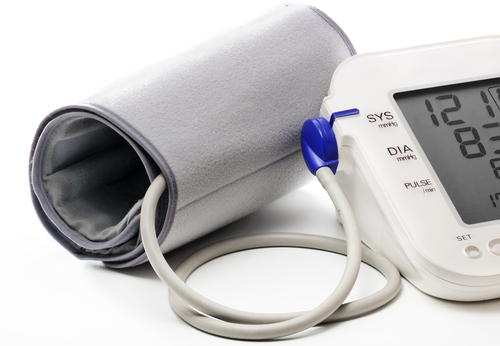
 What do blood pressure readings mean? Blood pressure is measured with an instrument called a sphygmomanometer. The top or “systolic” number measures blood pressure in the arteries when the heart beats and pumps blood out to the body. The bottom or “diastolic” number measures blood pressure in the arteries between heartbeats, when the heart muscle is refilling with blood. An example of a typical blood pressure is 120/80 mmHg. 120 is the systolic reading, and 80 is the diastolic reading. The abbreviation mmHg stands for millimeters of mercury, the unit used to measure blood pressures.

A normal blood pressure is a systolic reading below 120 and a diastolic reading below 80.  Hypertension is the term used to describe blood pressures above 140 systolic or 90 diastolic. Having systolic readings between 120 and 139 or diastolic readings between 80 and 89, indicate prehypertension, and places a person at increased risk for developing hypertension in the future.

Approximately one third of adults in the United States have some degree of hypertension. The following are some common risk factors that can lead to high blood pressure.


 ● A diet high in salt, fat, and/or cholesterol

● Chronic medical conditions such as kidney and hormone problems, diabetes and high     cholesterol

● Family history: You are more likely to have high blood pressure if your parents or other close relatives have it

● Lack of physical activity

● Older age: The older you are, the more likely you are to have high blood pressure

● Being overweight or obese

● Race: Non-Hispanic black people are more likely to have high blood pressure than people of other races.

● Stress

● Tobacco use or drinking too much alcohol

Most people with high blood pressure do not have any symptoms. This is why it’s sometimes called “the silent killer” and why it is so important to have your blood pressure checked regularly. If left untreated, hypertension can damage many parts of the body and increase a person’s risk for stroke, heart disease, and kidney failure.

You can have your blood pressure measured at a local doctor’s office, urgent care facility, hospital, visiting nurse association, and in some retail pharmacies. Sphygmomanometers can also be purchased for in home use.

If your blood pressure is found to be high, getting serious about lifestyle changes such as increasing exercise, smoking cessation and weight reduction can be very effective in reducing, even eliminating hypertension. If lifestyle changes alone don’t drop your blood pressure low enough, your doctor can prescribe medication to treat this condition.

More information on blood pressure and hypertension can be found at http://www.cdc.gov/bloodpressure/

Heart Healthy Tip

Eat at least 25 grams of fiber daily

Studies link a high fiber diet with a lower risk of heart disease. Soluble fiber in oats, beans and citrus fruits, such as oranges helps reduce bad cholesterol levels. Opting for whole grains, such as brown rice and whole-wheat pasta, boosts your intake of total fiber.

-       Erica Smith, Site Coordinator – Urgent Care of Connecticut – Norwalk