Benefits of Kite Flying

kiteKite flying is a great way to clear your mind, have fun, and has several health benefits.

1. Eye stimulation – With our constant use of mobile phones and computer screens, our eyes can get tired and unfocused.  Focusing on a distant object against a soothing blue sky can reduce eye strain caused by ever present technology.

2. Neck/Shoulder Exercise – Sitting at a desk doesn’t promote good posture; flying a kite allows us to stretch our neck and shoulder muscles.

3. Stress Reliever – Flying a kite is relaxing.  When watching a kite drift across an open, blue sky, one focuses on the moment, not on the daily stresses of life.

4. Connect to Nature – Being outdoors provides an opportunity to appreciate the natural beauty present in the sky and in surrounding landscapes that is sometimes taken for granted.

5. Fresh Air – Filling your lungs with fresh air can revitalize and refresh.

Acetaminophen Awareness

An Overdose Warning for Acetaminophen

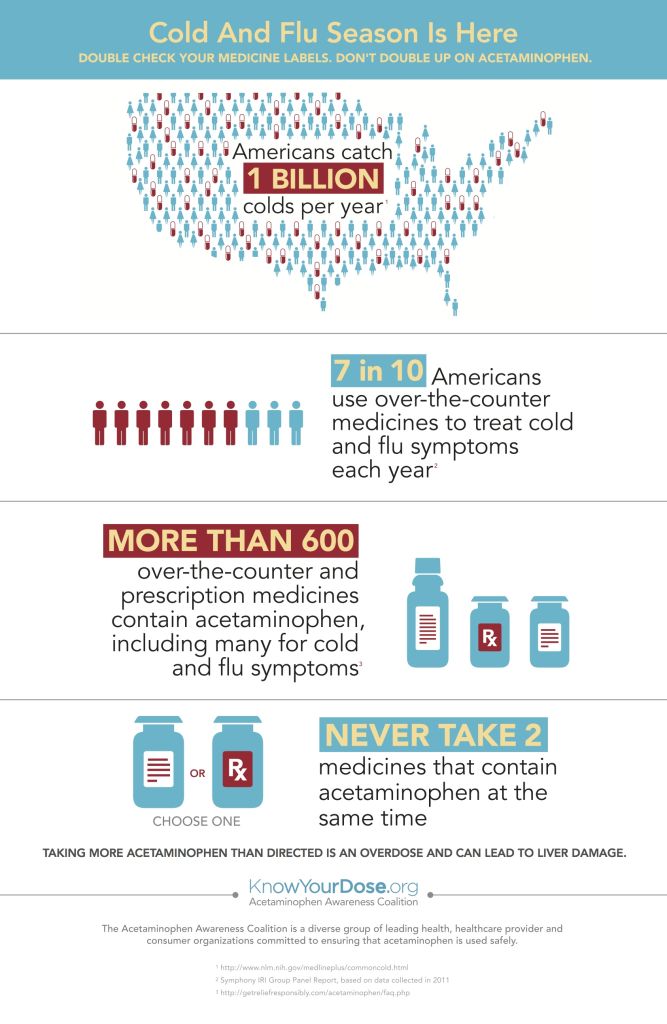
According to The National Institutes of Health (NIH), Americans catch one billion colds each year and about 20% of Americans will contract the flu. Many of the over-the-counter (OTC) medications frequently used to alleviate flu and cold discomfort contain acetaminophen.

Taking OTC medicines containing acetaminophen is so commonplace, but beware that overdosing can cause liver damage; sometimes serious enough to require liver transplantation, or even cause death. You might accidentally take too much acetaminophen if prescription or package labels are not followed carefully, or if you take more than one product that contains acetaminophen.

The current maximum recommended adult dose of acetaminophen is 4 grams (4,000 milligrams) per day. If you have difficulty calculating how much acetaminophen to take daily, ask your pharmacist or healthcare provider to help you. If you have liver disease or consume three or more alcoholic drinks each day, check with your doctor before taking acetaminophen.

Symptoms of acetaminophen overdose:

  • Nausea
  • Vomiting
  • Loss of appetite
  • Sweating
  • Extreme fatigue
  • Unusual bleeding or bruising
  • Pains in the upper right part of the abdomen
  • Yellowing of the skin or eyes
  • Flu-like symptoms

If someone takes more than the recommended dose of acetaminophen and does not appear to have any symptoms, call poison control (1-800-222-1222) and seek medical care immediately. If the person appears ill from an acetaminophen overdose, call 911.

To avoid overdosing:

  • Use only one OTC product containing acetaminophen at any given time.
  • Check if any of your prescription medications contain acetaminophen. If they do, never take any OTC products containing acetaminophen while taking the prescribed medication that contains acetaminophen.
  • Take all medications exactly as directed on the prescription or package label.
  • Do not drink alcohol while taking acetaminophen products.

If you are purchasing an acetaminophen-containing product, and have questions, ask the pharmacist or your healthcare provider for advice.

For more information on acetaminophen, follow the link below:

http://www.nlm.nih.gov/medlineplus/druginfo/meds/a681004.html#skip

 Click on the photo below for an overview on acetaminophen:AcetominophenInfographic copy


Can You Get Sick from Your Pet?

Welcoming a new pet into the home is an exciting prospect for most. Numerous studies have shown that interacting with a furry, feathered, or finned friend can reduce stress, entertain, and provide companionship.

Although it is rare to get sick from a pet, it is possible to contract a bacterial, viral, fungal or parasitic illnesses if proper hygiene measures are not followed. Infections transmitted from animals can cause a variety of symptoms such as muscle aches, flu-like symptoms, diarrhea, skin rashes, and fever. Children under the age of 5, pregnant women, and those with weakened immune systems such as cancer patients, organ transplant patients, and patients infected with the HIV virus have an increased risk of contracting an animal-borne illness.

It is important for all pet owners to learn about various infections that may affect their pets and how these illnesses can be transmitted to humans. Some infections to be mindful of are listed below.

Campylobacteriosis – Campylobacteriosis is a bacterial disease affecting the gastrointestinal tract that is spread through contact with infected feces from puppies, kittens, dogs and cats. Symptoms in humans include mild to severe diarrhea, cramps, nausea and vomiting. Animals do not always appear ill when they have Campylobacteriosis.

Cat Scratch Fever Cat scratch disease (CSD) is caused by a strain of bacteria called Bartonella henselae. Symptoms include a mild infection around a scratch or bite, swollen lymph nodes, fever, headache, fatigue, and lack of appetite. Cats or kittens carrying this bacteria typically do not display any signs of illness.

HookwormHookworm infections are caused by parasites and are more commonly found in younger animals like puppies or kittens. Hookworm eggs pass into animal feces where they can hatch into larvae. If soil contaminated with eggs or larvae is accidently ingested or is tread upon with bare feet, a person can contract a hookworm infection. Symptoms of hookworm can include a painful, itchy skin rash, abdominal pain, or blood in bowel movements. Many individuals with hookworm are asymptomatic.

PsittacosisPsittacosis is a rare bacterial infection caused by the bacterium Chlamydia psittaci. Pet birds, such as parakeets and parrots, are the most common causes of psittacosis in humans, although all birds can carry Chlamydia psittaci. Psittacosis occurs when dried secretions from infected birds are inhaled. Symptoms include fever, chills, headache, muscle aches, and dry cough. Complications from psittacosis such as pneumonia, endocarditis, and hepatitis can be life threatening.

Rabies – Rabies is a potentially deadly viral disease transmitted through the bite of an infected animal. Most states require pets to be vaccinated, protecting them from developing this infection in the event they are bitten by a rabid wild animal. Any individual bitten by a dog, cat or ferret whose rabies vaccination status is unknown or not up to date should consult a medical professional for a comprehensive assessment immediately.

RingwormRingworm is caused by fungi transmitted directly from a pet’s skin or fur. It causes an itchy, ring-shaped rash on the skin. Ringworm can be spread through contact with kittens, puppies, dogs, cats, horses, and livestock animals.

Salmonellosis – Salmonellosis is caused by the bacterium Salmonella. It can be passed to people from a variety of infected pets including dogs, cats, birds, fish, reptiles, amphibians, and rodents. Salmonella spreads through feces, which can contaminate fur, feathers, scales, and environmental habitats such as animal bedding or aquarium water. People handling infected pets or components an infected pet’s environment are at the highest risk of developing Salmonellosis. Symptoms of this illness include diarrhea and fever.

ToxoplasmosisThis is a parasite passed to people through contact with contaminated cat feces. Symptoms include flu-like symptoms, swollen glands, and muscle aches. Pregnant women must avoid all contact with cat feces including cleaning litter boxes. If a pregnant woman develops toxoplasmosis, this infection can infect the fetus causing serious malformations and possible miscarriage.

For complete and detailed information visit:

http://www.cdc.gov/HEALTHYPETS/browse_by_diseases.htm

Tips for protecting yourself against animal-borne illnesses

  • Wear gloves when cleaning up pet waste.
  • Wash hands thoroughly with soap and running water immediately after coming into contact with pet feces or saliva.
  • Clean all scratches and bites from pets with running water and soap.
  • Use antibacterial household cleansers to disinfect counters, sinks, floors, or other surfaces that may have come into contact with pet waste or saliva.
  • Keep your pet’s recommended vaccinations up to date. Discuss what additional ongoing measures are needed to optimize the health of your pet with your veterinarian.
  • If your pet exhibits any signs of illness, take them to a veterinarian.
  • Alert your local animal control agency if you notice stray animals on your property or elsewhere in your community.
  • Avoid walking barefoot outdoors.
  • If your pet is bitten by a wild animal, have them assessed by a veterinarian immediately.
  • Spay or neuter your pets to help reduce the number of stray and unwanted pets
  • Never approach a wild animal. If you are bitten by a wild animal, seek medical attention immediately.

American Heart Month

Join us in raising awareness about heart disease.  

Heart disease is the leading cause of death for both women and men. According to the CDC, about 600,000 people in the United States die from heart disease every year.

The term “heart disease” refers to several different heart conditions. The most common heart condition in the US is Coronary Artery Disease (CAD).  CAD occurs when plaque builds up in the arteries that supply blood to the heart. CAD can cause heart attacks, angina, heart failure, and abnormal heart rhythms.

Heart disease can be controlled and even prevented. Taking small steps towards making better lifestyle choices can make a big difference in your heart health.

  • Eat a healthy diet
  • Maintain a healthy weight
  • Exercise and be active
  • Quit smoking and tobacco use
  • Limit alcohol intake
  • Stress less

Get regular physical exams and discuss with your health care provider whether you have any risk factors that may increase your chances of developing heart disease. Create a plan with your health care provider to actively manage and control any underlying medical conditions you may have such as high blood pressure, high cholesterol, or diabetes.

For more information on heart disease, visit http://www.heart.org/HEARTORG/


Winter Safety Tips

shutterstock_144682469Staying warm and healthy during the winter can be a challenge. Your health and safety is important to us, so here are some tips to keep in mind during the chilly months ahead.

During the winter we worry about the obvious dangers of snowy and icy roads, winter storms, and power failures. Keep in mind that cold weather associated dangers can also exist inside your home.

Many people use indoor fireplaces and space heaters to stay warm. These types of appliances increase the risks of household fires and carbon monoxide poisoning.  Never leave your fireplace or space heater unattended. Every evening before heading to bed, ensure all space heaters have been unplugged and all fireplaces have been emptied of ashes and embers. Collect fireplace ashes in a metal bucket, carry them outdoors, away from the house and garage, then fully extinguish them with snow or water.

If your electricity fails and you own a power generator, never use it indoors. Generators create carbon monoxide gas which can be fatal. Keeping generators outside, away from your home prevents potentially deadly fumes and carbon monoxide from collecting in living spaces.

Prepare your home for the winter by:

  • Installing weather stripping, insulation, and storm windows
  • Cleaning out gutters and repairing roof leaks
  • Checking your heating system to make sure it is clean and working properly
  • Have fireplaces and chimneys inspected and cleaned if needed
  • Install smoke and carbon monoxide detectors – remember to test batteries regularly.
  • Keep sand or cat litter on hand for use on icy patches on driveways or walkways

Stock your home before a storm with:

  • Non-perishable foods that do not require cooking or refrigeration
  • Drinking water
  • Prescription drugs
  • A first aid kit
  • Flashlights
  • A radio
  • Extra batteries

If you must travel during inclement weather:

  • Wear warm appropriate clothing such as gloves, extra socks, a hat, earmuffs, a scarf, and thermal layers
  • Carry a cell phone
  • Make sure someone is aware of your expected arrival time and travel route

Prepare your car for winter:

  • Keep your gas tank full
  • Put a windshield scraper and snow brush in your backseat
  • Carry emergency flares
  • Winterize your car and maintain the antifreeze level
  • Check tire treads, maintain proper tire inflation, and consider using snow tires
  • Keep blankets and extra clothes in your trunk
  • Have a small shovel and a bag of sand or cat litter in your car in case the car becomes stuck
  • Purchase or assemble an emergency kit to keep in your car in case you get stranded. Emergency kits should contain:
    • First aid supplies
    • A flashlight
    • Food & water
    • Flares
    • A flat tire repair product

If you get stranded:

  • Call for help
  • Stay with your car
  • Keep moving- don’t stop moving your arms and legs
  • Stay visible and stay dry
  • Keep a downwind window open for ventilation
  • Make sure the car’s tailpipe is not blocked with snow

Lastly, during severe weather, check in on family members and neighbors; especially those with young children and those who are elderly or ill. If you or someone you know needs emergency services, call 9-1-1.

Sleep Disorders Defined

Most everyone has had the frustrating experience of feeling fatigue and a lack of energy following a night of sleeping poorly. Fortunately, most people are able to catch up on their sleep the following evening. When falling asleep and or staying asleep becomes an ongoing problem, this is known as insomnia. Chronic insomnia is disruptive to a person’s health and well-being and can be especially dangerous when an exhausted or sleepy person is driving or operating heavy machinery.

Sometimes chronic insomnia is due to another condition, or parasomnia, occurring at night. A parasomnia is an abnormality that can happen while a person is falling asleep or at any point during the sleep cycle. There are numerous different parasomnias and unfortunately, most have no identifiable cause. They affect people of all ages and often run in families. Stress, depression, sleep apnea, and certain medications may be contributing factors to parasomnias.

Sleep Apnea is not a parasomnia. Sleep apnea is a common disorder when a person has pauses in breathing during sleep.These breathing pauses last from a few seconds to minutes. Typically, normal breathing will start again after a snort or choking sound.When breathing pauses occur, oxygen levels in the body drop, causing the person move from a deep sleep into a lighter, poor quality sleep.

Examples of Parasomnias Include:

Somnambulism (Sleepwalking): This is a disorder when a person walks or does another activity while still asleep. Sleepwalking most often occurs during deep, non-REM (rapid eye movement) sleep early on in the night.

Sleep paralysis: This parasomnia occurs while a person is falling asleep. An affected individual feels unable to move for a period of time lasting from just a few seconds to several minutes. Sleep paralysis can be very frightening and may involve hallucinations.

Bruxism: This is a condition where a person grinds their teeth or clenches their jaw unintentionally during deep sleep. It may be related to stress or misaligned teeth. Bruxism can cause headaches or earaches. Prolonged nighttime grinding can wear down tooth enamel, chip teeth, and cause facial pain or jaw problems.

Night Terrors: Night terrors occur during deep, non-REM sleep. In contrast, nightmares and most dreams occur during REM sleep. During a Night Terror, a person will suddenly sit up in bed, may scream out loud and develop a rapid heartbeat and fast breathing. Because these incidents do not occur during REM sleep and lack associated visual images, episodes are typically not remembered when a person wakes.

Restless Legs Syndrome: Restless legs syndrome (RLS) is a disorder that causes strong urges for a person to move their legs in order to relieve strange and unpleasant feelings. These uncomfortable sensations are often described as creeping, crawling, pulling, itching, tingling, burning, aching, or electric shocks. The symptoms of RLS tend to be worse in the evening hours and frequently disrupt sleep.

Rapid Eye Movement Behavior Disorder: In this disorder, a person acts out nightmares or violent dreams during the REM sleep cycle. It occurs most commonly in men over 50, but can affect anyone. Rapid Eye Movement Behavior Disorder can be associated with taking certain medications or having an underlying neurologic disease.

Hypersomnia: A person with hypersomnia has recurrent episodes of excessive daytime sleepiness or prolonged nighttime sleep. They nap at inappropriate times such as during a conversation. These naps provide no relief from their symptoms of hypersomnia. Waking from periods of long sleep can be difficult and disorienting. This condition can be caused by narcolepsy or sleep apnea.

Nocturia: Awakening from sleep with the recurring need to pass urine more than two times each night. It can be an early and subtle clue to important underlying medical problems. Nocturia can occur at any age, but is more common after age 60.

Hypopnea: When sleep is disrupted by a person’s shallow breathing or abnormally low respiratory rates. Like in sleep apnea, sudden drops in blood oxygen levels cause a person to wake up out of a deeper, more restorative stage of sleep. Hypopnea can be caused by a nasal passage defect, obesity, old age, certain medications, smoking, and alcohol abuse.

Desynchronosis (Jet Lag): Occurs when the body’s natural sleep wake cycle (circadian rhythm) is disrupted by travel to a different time zone or by shift work. The body’s eating and sleeping patterns become out of sync. Some symptoms include headaches, fatigue, disorientation, and irritability. Maintaining good sleep hygiene habits can help overcome these symptoms more quickly.

Narcolepsy: This is a disorder of the central nervous system where the brain cannot control sleep-wake cycles. This causes periods of extreme daytime sleepiness and may cause muscle weakness. Some people who have the disorder fall asleep suddenly during the day, even if they’re in the middle of speaking, eating, or other activities.

Delayed Sleep Phase Syndrome: Delayed sleep phase disorder is when a person’s circadian rhythm (internal sleep clock) is shifted to falling asleep later at night and waking later in the morning. Sleep quality is generally normal, but delayed sleep pattern often interferes with work and social demands.

Snoring: Snoring occurs when a person can’t move air freely through his or her nose and mouth during sleep. This noisy breathing can be caused by vibrations in the tongue, upper throat, soft palate, uvula, tonsils or adenoids.

Anyone experiencing chronic difficulties sleeping should see a doctor for evaluation. If the cause of your insomnia is not clear, your doctor may suggest that you fill out a sleep diary. The diary will help you keep track of when you go to bed, how long you are in bed before falling asleep, how often you wake up during the night, when you get up in the morning and how well you sleep. A sleep diary may help you and your doctor to identify patterns and conditions that are affecting your sleep.

Based on your symptoms and physical findings, your doctor can develop an appropriate treatment plan and determine if a referral to a sleep disorder specialist is needed. Many sleep disorders are manageable and improve with a variety of different treatment options. So, if needed, seek care to get that good night’s rest.

Cynthia Vanson, MD
Eating Healthy & Getting Good Daily Nutrition

Eating right and making sure you are getting optimal daily nutrition is all about making the right choices, and making simple changes. Keys to healthy eating include increasing your intake of whole grains, lean proteins, fruits, vegetables, and low-fat dairy products. Cutting back on eating foods with solid, or saturated fats is also very important.

Grains are divided into two subgroups, whole grains and refined grains. Whole grains contain the whole kernel (the bran, the germ, and the endosperm). People who eat more whole grains as part of a healthy diet reduce their risk of developing certain chronic diseases. Refined grains, when compared to whole grains, have been significantly modified from their original natural composition. They are often mixed and bleached with other, less healthy ingredients.

Although refined grain products may be “enriched” with thiamine, riboflavin, niacin, or iron, these added nutrients represent only a fraction of the nutrients lost during processing, still leaving them nutritionally inferior to whole grains. Increasing whole grains in your diet can be very simple; just replace white bread with 100% whole wheat bread, or replace white rice with brown rice.

Dietary proteins include both animal (meat, poultry, seafood, and eggs) and plant (beans, peas, soy products, nuts, and seeds) sources. We all need protein, but how much is enough? Most people should eat 5 to 7 ounces of protein rich foods per day. Animal proteins should be at least 90% lean.

Eating one egg each day does not increase the risk of developing heart disease, so it is safe to include them as part of your regular protein choices. Remember, the yolk is the only part of the egg containing cholesterol and saturated fat, so if you plan on eating more than one egg in a day, add more egg whites instead of whole eggs. Choosing plant based proteins such as beans, peas, hummus, or soy products for the protein component of your meal is best since they are naturally low in saturated fat and high in fiber.

Consuming at least three servings of dairy products each day is important for adding calcium, vitamin D, potassium and other nutrients to your diet. Dairy products include milk, yogurt, and cheese and should be low in fat.

Eating more vegetables and fruits, as part of a healthy diet, also reduces a person’s risk of developing certain chronic diseases. Fruits provide nutrients such as potassium, fiber, vitamin C, and folic acid that are vital for good health. Most fruits are naturally low in fat, sodium, and calories. Fruit sources can be fresh, canned, frozen, dried, or in 100% fruit juice. Always remember to properly wash fresh fruit to remove dirt, microorganisms, or pesticides before eating.

For a healthy diet, you do not need to eliminate all dietary fats. Some dietary fats are actually good for you. Dietary fats, along with proteins and carbohydrates are the three macronutrients that provide energy for your body. Fats are essential to your health because they support a number of your body’s key functions. For example, some vitamins must have fats to dissolve them, allowing those vitamins to be incorporated into your body.

The harmful fats that you need to avoid include saturated fat and trans fat. Both of these fats are in a solid state when at room temperature. Saturated fat raises total blood cholesterol levels and low-density lipoprotein (LDL) cholesterol levels, which can increase your risk of cardiovascular disease. Trans fat is created through a hydrogenating process. Two healthier and helpful types of fat that you want to keep in your diet are monounsaturated fat and polyunsaturated fat.

Foods containing mostly monounsaturated and polyunsaturated fats, such as olive oil, safflower oil, peanut oil, and corn oil are liquid at room temperature. Monounsaturated and polyunsaturated fats are also found in avocados, nuts and seeds. Studies show that eating foods rich in monounsaturated fats (MUFAs) improves blood cholesterol levels, which can decrease your risk of heart disease.

In summary, healthy meals start with reasonable overall portion sizes containing more vegetables and fruits with smaller protein and grains components. Get creative with combinations and see how improving your nutrition can have a positive impact on your health.

For more information, go to www.ChooseMyPlate.gov

Winter Safety Tips

Winter Weather Safety Tips

When temperatures are extremely cold, especially with high winds, try to stay indoors. If you must go outside, make trips as brief as possible and use these tips to protect your health and safety:

DRESS WARMLY AND STAY DRY

Hats and heavy scarves are important to decrease the amount of heat escaping from your head. Choose mittens over gloves as mittens are more effective in keeping hands warm. Multiple layers of clothing should be worn, with the innermost layers made of wool, silk, or polypropylene as these fabrics hold body heat better than cotton. Layering clothing traps multiple layers of air against the body, further decreasing heat loss. Try to stay dry because wet clothing will chill the body more rapidly. If you perspire, removing an extra layer of clothing will help keep you dry. Coats should be tightly woven, wind and water-resistant, and have sleeves that are snug at the wrists. Wearing waterproof, lined boots with wool socks are your best bet for keeping your feet warm.

NEVER IGNORE SHIVERING

Shivering is an important first sign that the body is losing too much heat. Persistent shivering is a signal to return indoors immediately. Ignoring early signs like shivering may lead to more serious medical conditions such as frostbite or hypothermia. Tingling or itching skin can indicate frostbite. Slowed body responses and impaired reasoning are signs of hypothermia.

If you suspect mild frostbite or hypothermia, move to a warm and dry environment, remove any wet clothes, and rewarm with blankets. Seek medical attention from your doctor or urgent care clinic if you have any questions or concerns. More severe cases of frostbite or hypothermia need immediate and aggressive treatment in an emergency room.

 AVOID OVER-EXERTION

Cold weather puts an extra strain on the heart. If you have heart disease or high blood pressure, follow your doctor’s advice about shoveling snow. Remember, your body is already working hard just to stay warm, so take frequent breaks and don’t overdo it.

  • Warm up your muscles by stretching and walking
  • Shovel small loads of snow at a time and work slowly
  • Bend your knees and avoid twisting your body
  • Keep your back straight and let your arms bear the load
  • Never ignore back or chest pain
  • Watch your step on the ice, sprinkle cat litter or sand on icy patches

TRAVEL AND SAFETY

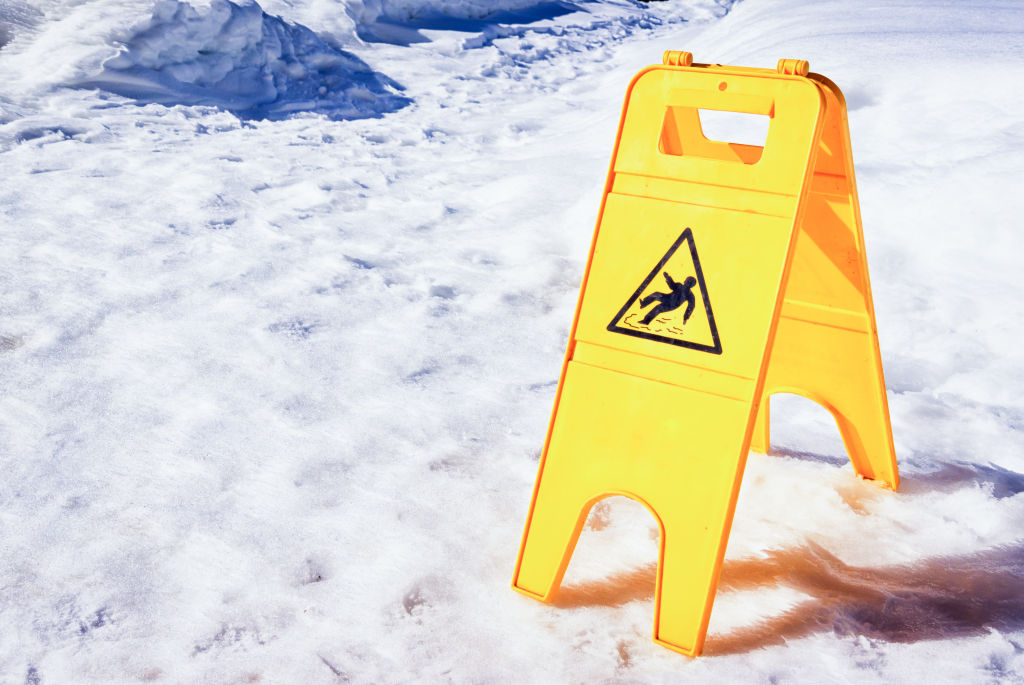
Ice and snow covered walkways and roadways present challenges while walking and driving. Drive with extreme caution and watch your step in parking lots.

  • When driving, reduce speed and increase the distance between your car and the car in front of you. Avoid traveling on ice-covered roads, overpasses and bridges when possible
  • Have a full tank of gas, keep an emergency kit in your car, and have your cell phone with you
  • If you get stranded, stay in your car, call or wait for help
  • Never walk across a lake or pond that looks frozen
  • Ice skate on safe and tested surfaces only
  • Avoid walking on snow and ice covered roadways and walkways. Use extreme caution while walking near high piles of snow as drivers may not see you
    • Notify friends and family where you will be before you go, especially when participating in outdoor activities such as hiking, camping, or skiing

For more information about winter weather health and safety tips, go to: http://emergency.cdc.gov/disasters/winter/index.asp


Cynthia Vanson, MD

Assistant Medical Director, Urgent Care of Connecticut

Blood Pressure Readings

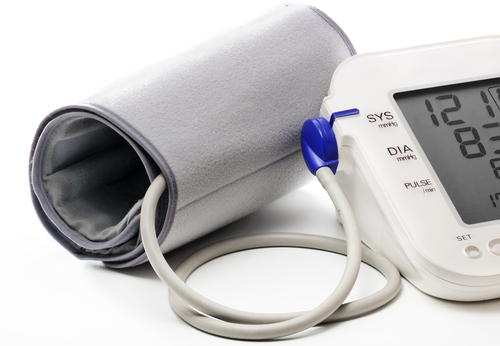
 What do blood pressure readings mean? Blood pressure is measured with an instrument called a sphygmomanometer. The top or “systolic” number measures blood pressure in the arteries when the heart beats and pumps blood out to the body. The bottom or “diastolic” number measures blood pressure in the arteries between heartbeats, when the heart muscle is refilling with blood. An example of a typical blood pressure is 120/80 mmHg. 120 is the systolic reading, and 80 is the diastolic reading. The abbreviation mmHg stands for millimeters of mercury, the unit used to measure blood pressures.

A normal blood pressure is a systolic reading below 120 and a diastolic reading below 80.  Hypertension is the term used to describe blood pressures above 140 systolic or 90 diastolic. Having systolic readings between 120 and 139 or diastolic readings between 80 and 89, indicate prehypertension, and places a person at increased risk for developing hypertension in the future.

Approximately one third of adults in the United States have some degree of hypertension. The following are some common risk factors that can lead to high blood pressure.


 ● A diet high in salt, fat, and/or cholesterol

● Chronic medical conditions such as kidney and hormone problems, diabetes and high     cholesterol

● Family history: You are more likely to have high blood pressure if your parents or other close relatives have it

● Lack of physical activity

● Older age: The older you are, the more likely you are to have high blood pressure

● Being overweight or obese

● Race: Non-Hispanic black people are more likely to have high blood pressure than people of other races.

● Stress

● Tobacco use or drinking too much alcohol

Most people with high blood pressure do not have any symptoms. This is why it’s sometimes called “the silent killer” and why it is so important to have your blood pressure checked regularly. If left untreated, hypertension can damage many parts of the body and increase a person’s risk for stroke, heart disease, and kidney failure.

You can have your blood pressure measured at a local doctor’s office, urgent care facility, hospital, visiting nurse association, and in some retail pharmacies. Sphygmomanometers can also be purchased for in home use.

If your blood pressure is found to be high, getting serious about lifestyle changes such as increasing exercise, smoking cessation and weight reduction can be very effective in reducing, even eliminating hypertension. If lifestyle changes alone don’t drop your blood pressure low enough, your doctor can prescribe medication to treat this condition.

More information on blood pressure and hypertension can be found at http://www.cdc.gov/bloodpressure/

Highly Contagious ‘Norovirus’ Spreading in U.S.

The Centers for Disease Control (CDC) reports that a highly contagious “stomach bug” called a “norovirus,” is now spreading in the U.S. and worldwide. This particular strain is said to have originated in Australia. Wide-spread norovirus infections can commonly occur on cruise ships and in schools.

A norovirus is a major cause of gastroenteritis, which is an inflammation of the stomach and small and large intestines. Norovirus symptoms are diarrhea, nausea or vomiting, abdominal cramps, and fever contracted primarily through infected fecal matter. Norovirus is not the influenza virus. Influenza usually does not cause symptoms such as vomiting or diarrhea.

Norovirus is contracted through direct contact with an infected person, by sharing foods or utensils; through contaminated food and liquids, or by touching contaminated surfaces and then your face and mouth. People with norovirus illness are contagious from the moment they begin feeling sick until at least 3 days after they recover. But, some people may be contagious for even longer.

Follow this advice from the CDC to help prevent you and others from getting sick:

  • Wash Hands Often – Use soap and water and scrub hands after using the bathroom, changing diapers and before handling food or eating. Norovirus can stay in your system for up to 2 weeks, so continue to wash your hands more frequently than usual during this time. In addition to hand washing you can use alcohol-based hand sanitizers.
  • Wash and Cook Food Thoroughly - Carefully wash fruits and vegetables before preparing and eating them. Noroviruses can survive temperatures up to 140°F and quick steaming processes often used for cooking shellfish. Cook shellfish thoroughly. Keep sick individuals out of food preparation areas. If you are sick, do not prepare food.
  • Clean and Disinfect Contaminated Surfaces – Wear gloves and after vomiting and episodes of diarrhea, clean surfaces immediately with a chlorine bleach solution (5–25 tablespoons of household bleach [5.25%] per gallon of water) or other disinfectant registered as effective against norovirus by the Environmental Protection Agency (EPA).
  • Wash Laundry Thoroughly – Handle contaminated clothes and linens carefully and wash them immediately. Wear rubber or disposable gloves and wash your hands afterwards. Wash the items with detergent in hot water at the maximum available cycle length then machine dry them.

It is important to drink plenty of fluids lost through vomiting and diarrhea to avoid dehydration. Antibiotics are not effective in treating norovirus. Time, rest and avoiding contact with others is important. See a doctor or go to an urgent care walk-in clinic if you or someone you are caring for seems dehydrated. For additional information go to www.cdc.gov