
Noteworthy Nurses!

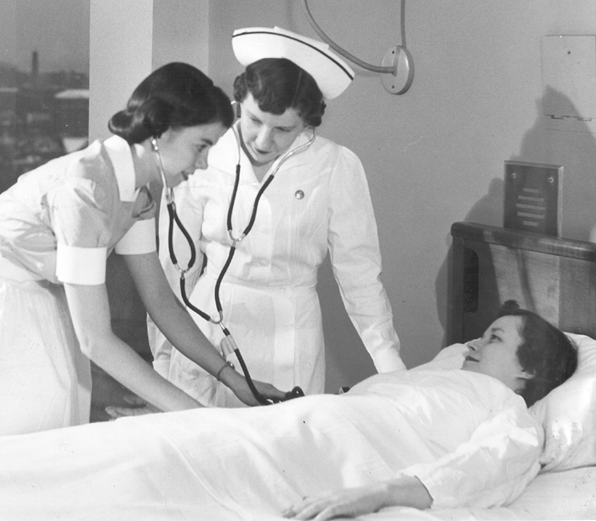
May 6th – May 12th is National Nurses Week, where we honor our compassionate and courageous nurses.
nurses

The field of nursing wasn’t always a respected or highly recognized career. Here are some of the most famous nurses in history who helped mold the nursing profession into the modern, respected field it is today.

Florence Nightingale- Known as “The Lady with the Lamp,” Florence Nightingale is possibly the most well-known nurse in history. Born into a wealthy British family, the call to nursing was early in her life.  After she completed her training she went directly into the field where she experienced devastating conditions.  Unhappy with the quality of patient care and unsanitary hygiene conditions, Nightingale and her fellow nurses started to tend to the soldiers and set their own standard of care.  It was successful, and she later went on to found her own school of nursing.  To this day, the school’s curriculum has laid the groundwork for modern nursing education. May 12th, 2014 is Florence Nightingale’s 194th birthday!

Clara Barton- Clara Barton may have started her professional life as a teacher and a recording clerk for the U.S. Patent Office, but she soon transformed into quite the humanitarian.  During the Civil war she became known as the “angel of the battlefield” and volunteered countless hours and efforts to helping the sick and wounded soldiers. At the age of 60, she founded the American Red Cross and led the group until 1904.

Mary Ezra Mahoney- The first African-American woman to complete nursing training and become a registered nurse was Mary Ezra Mahoney.  The hospital’s nursing school had 42 candidates, with only four graduates; Mary was one of those four. Mary went into private practice in New England and was an advocate for the rights of all African-American nurses.  She also co-founded the National Association of Colored Graduate Nurses in 1908.

—-

Health care is constantly changing and evolving. Today, more than ever, nurses are stepping out of their comfort zones and becoming active contributors and innovators in the health care system. Nurses are the largest group of health care professionals in the United States, with more than three million nurses in the field.

SOURCE: http://www.rncentral.com, http://www.nursingworld.org

Seasonal Allergies

Tips for Dealing with Spring Allergies

shutterstock_113160949
  • Avoid being outside during high pollen count hours – Pollen count is usually at its highest between 10am and 4pm
  • Use an HEPA (high-efficiency particulate air) filter on your furnace and air conditioner
  • Download the free pollen.com app for your iPhone so you can check what the pollen count is wherever you are
  • If you have pets, wipe their fur and paws after they have been outside to prevent them from tracking pollen into your home.
  • If staying indoors isn’t enough to prevent your allergy symptoms – try taking over the counter allergy medications, such as Claritin, Zyrtec, Allergra, etc.
  • If over the counter medications don’t help relieve your allergy symptoms – consider seeing an allergist who can better help treat your symptoms

Source: www.familydoctor.org, www.pollen.com

Sports and Concussions

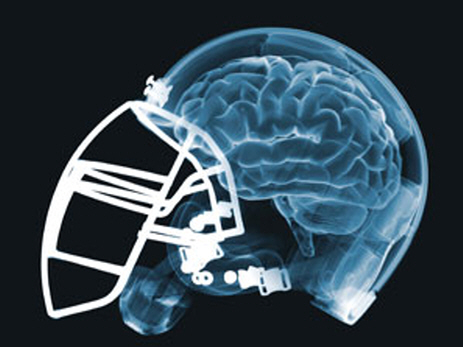
footballbrainThe arrival of spring brings more opportunities for outdoor youth sporting events and activities. Young athletes on the field frequently sustain minor injuries such as cuts, bumps, and bruises. Sometimes, when athletes fall or collide with other players, head injuries occur.  More serious head injuries that affect the brain are known as concussions.

A concussion occurs when an impact causes the brain to move back and forth within the skull. This movement can cause bruising of the brain itself or stretching, tearing or bleeding in the tissues and blood vessels that surround the brain. Patients who have suffered even a mild concussion should be monitored closely as it may take several hours, even days to determine the full effects of a concussion.

After any head injury, observe the individual closely, looking for the following:

  • Any loss of consciousness
  • Impaired physical functioning
  • Behavioral, mood, and personality changes
  • Confusion
  • Forgetfulness or difficulty remembering recent events

Seek immediate medical care for the following signs or symptoms:

  • Dilated pupils
  • Worsening headache
  • Increased drowsiness
  • Nausea and vomiting
  • Slurred speech
  • Convulsions or seizures
  • Significant memory problems or atypical behavior
  • If the athlete “just does not feel right”

An athlete with a concussion needs time to heal and must refrain from sports activities until he or she is fully recovered and symptom free. Injured athletes should be evaluated and cleared to resume their sport by a medical provider.  Repeat concussions can result in long-term problems in an athlete, including permanent brain damage.

To enjoy a safe spring sporting season, young athletes should always wear appropriate safety gear, follow the rules of the game, and avoid reckless or dangerous play.

Benefits of Kite Flying

kiteKite flying is a great way to clear your mind, have fun, and has several health benefits.

1. Eye stimulation – With our constant use of mobile phones and computer screens, our eyes can get tired and unfocused.  Focusing on a distant object against a soothing blue sky can reduce eye strain caused by ever present technology.

2. Neck/Shoulder Exercise – Sitting at a desk doesn’t promote good posture; flying a kite allows us to stretch our neck and shoulder muscles.

3. Stress Reliever – Flying a kite is relaxing.  When watching a kite drift across an open, blue sky, one focuses on the moment, not on the daily stresses of life.

4. Connect to Nature – Being outdoors provides an opportunity to appreciate the natural beauty present in the sky and in surrounding landscapes that is sometimes taken for granted.

5. Fresh Air – Filling your lungs with fresh air can revitalize and refresh.

Acetaminophen Awareness

An Overdose Warning for Acetaminophen

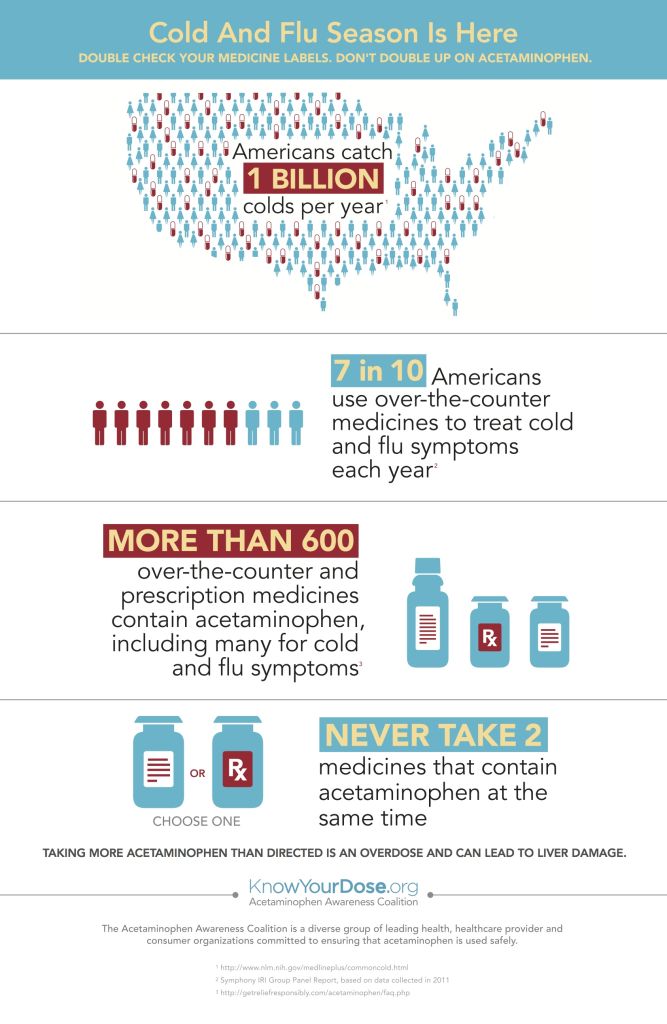
According to The National Institutes of Health (NIH), Americans catch one billion colds each year and about 20% of Americans will contract the flu. Many of the over-the-counter (OTC) medications frequently used to alleviate flu and cold discomfort contain acetaminophen.

Taking OTC medicines containing acetaminophen is so commonplace, but beware that overdosing can cause liver damage; sometimes serious enough to require liver transplantation, or even cause death. You might accidentally take too much acetaminophen if prescription or package labels are not followed carefully, or if you take more than one product that contains acetaminophen.

The current maximum recommended adult dose of acetaminophen is 4 grams (4,000 milligrams) per day. If you have difficulty calculating how much acetaminophen to take daily, ask your pharmacist or healthcare provider to help you. If you have liver disease or consume three or more alcoholic drinks each day, check with your doctor before taking acetaminophen.

Symptoms of acetaminophen overdose:

  • Nausea
  • Vomiting
  • Loss of appetite
  • Sweating
  • Extreme fatigue
  • Unusual bleeding or bruising
  • Pains in the upper right part of the abdomen
  • Yellowing of the skin or eyes
  • Flu-like symptoms

If someone takes more than the recommended dose of acetaminophen and does not appear to have any symptoms, call poison control (1-800-222-1222) and seek medical care immediately. If the person appears ill from an acetaminophen overdose, call 911.

To avoid overdosing:

  • Use only one OTC product containing acetaminophen at any given time.
  • Check if any of your prescription medications contain acetaminophen. If they do, never take any OTC products containing acetaminophen while taking the prescribed medication that contains acetaminophen.
  • Take all medications exactly as directed on the prescription or package label.
  • Do not drink alcohol while taking acetaminophen products.

If you are purchasing an acetaminophen-containing product, and have questions, ask the pharmacist or your healthcare provider for advice.

For more information on acetaminophen, follow the link below:

http://www.nlm.nih.gov/medlineplus/druginfo/meds/a681004.html#skip

 Click on the photo below for an overview on acetaminophen:AcetominophenInfographic copy


Winter Safety Tips

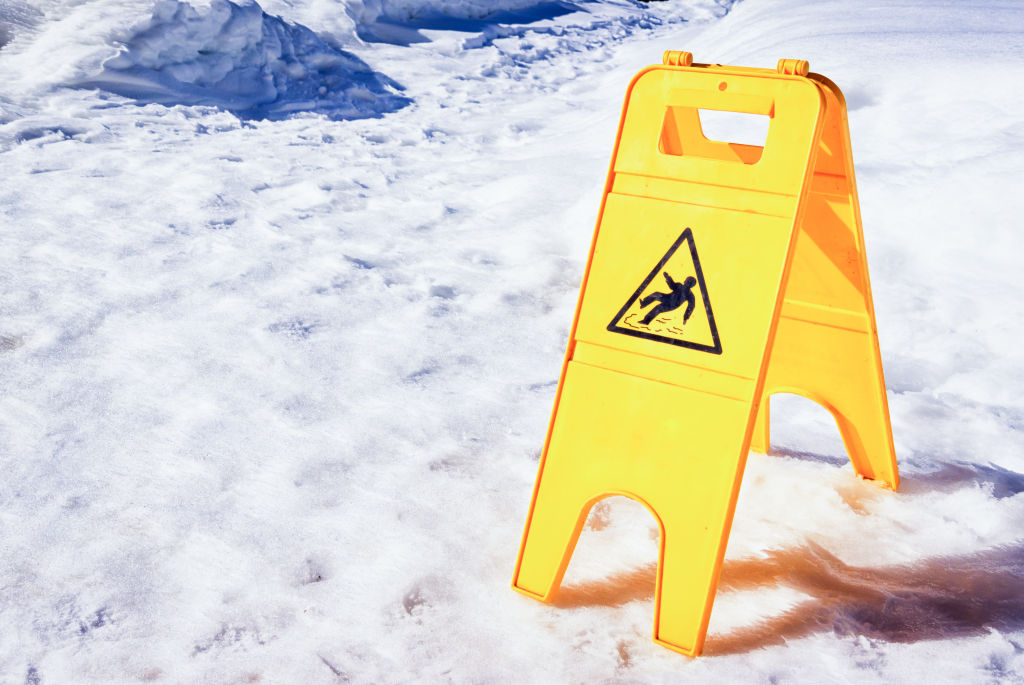
shutterstock_144682469Staying warm and healthy during the winter can be a challenge. Your health and safety is important to us, so here are some tips to keep in mind during the chilly months ahead.

During the winter we worry about the obvious dangers of snowy and icy roads, winter storms, and power failures. Keep in mind that cold weather associated dangers can also exist inside your home.

Many people use indoor fireplaces and space heaters to stay warm. These types of appliances increase the risks of household fires and carbon monoxide poisoning.  Never leave your fireplace or space heater unattended. Every evening before heading to bed, ensure all space heaters have been unplugged and all fireplaces have been emptied of ashes and embers. Collect fireplace ashes in a metal bucket, carry them outdoors, away from the house and garage, then fully extinguish them with snow or water.

If your electricity fails and you own a power generator, never use it indoors. Generators create carbon monoxide gas which can be fatal. Keeping generators outside, away from your home prevents potentially deadly fumes and carbon monoxide from collecting in living spaces.

Prepare your home for the winter by:

  • Installing weather stripping, insulation, and storm windows
  • Cleaning out gutters and repairing roof leaks
  • Checking your heating system to make sure it is clean and working properly
  • Have fireplaces and chimneys inspected and cleaned if needed
  • Install smoke and carbon monoxide detectors – remember to test batteries regularly.
  • Keep sand or cat litter on hand for use on icy patches on driveways or walkways

Stock your home before a storm with:

  • Non-perishable foods that do not require cooking or refrigeration
  • Drinking water
  • Prescription drugs
  • A first aid kit
  • Flashlights
  • A radio
  • Extra batteries

If you must travel during inclement weather:

  • Wear warm appropriate clothing such as gloves, extra socks, a hat, earmuffs, a scarf, and thermal layers
  • Carry a cell phone
  • Make sure someone is aware of your expected arrival time and travel route

Prepare your car for winter:

  • Keep your gas tank full
  • Put a windshield scraper and snow brush in your backseat
  • Carry emergency flares
  • Winterize your car and maintain the antifreeze level
  • Check tire treads, maintain proper tire inflation, and consider using snow tires
  • Keep blankets and extra clothes in your trunk
  • Have a small shovel and a bag of sand or cat litter in your car in case the car becomes stuck
  • Purchase or assemble an emergency kit to keep in your car in case you get stranded. Emergency kits should contain:
    • First aid supplies
    • A flashlight
    • Food & water
    • Flares
    • A flat tire repair product

If you get stranded:

  • Call for help
  • Stay with your car
  • Keep moving- don’t stop moving your arms and legs
  • Stay visible and stay dry
  • Keep a downwind window open for ventilation
  • Make sure the car’s tailpipe is not blocked with snow

Lastly, during severe weather, check in on family members and neighbors; especially those with young children and those who are elderly or ill. If you or someone you know needs emergency services, call 9-1-1.

Is My Child Too Young to be Depressed?

When we think about children, we visualize happy, spontaneous beings full of boundless energy, laughter, silliness and curiosity. For many of us, it is difficult to imagine young children with depression. So how young is too young to be diagnosed with depression? Unfortunately, there is no concrete answer.

According to the New York Times Magazine article, “Can Preschoolers be Depressed?” by Pamela Paul, August 25, 2010, “Today a number of child psychiatrists and developmental psychologists say depression can surface in children as young as 2 or 3.” These theories have garnered opposition, sparking significant controversy. Some mental health professionals question whether preschoolers have the developmental capacity to be diagnosed and labeled with depression. Emotional development and behaviors change frequently throughout childhood, making it difficult to determine if a child’s “acting out”, sadness, frequent crying jags, or anger are due to growth phases or depression.

The World Health Organization cites that, “major depressive disorder is the leading cause of disability among Americans age 15 to 44.” Even though the risk for developing depression is much greater when a child becomes a teenager, it is important to look for signs of depression in your child, throughout their childhood. Some common symptoms of depression include:

  • Withdrawing Socially
  • Oversensitivity to Rejection
  • Poor Performance in School
  • Low Self Esteem/Feelings of Worthlessness
  • Feelings of Guilt
  • Sleep and Appetite Changes
  • Loss of Interest in Activities/Boredom
  • Frequent Complaints of Stomach Aches or Headaches
  • Profound Sadness
  • Acting out/Anger/Irritability

If your child exhibits any of these symptoms for a few weeks or longer, approach their teacher(s) to gain additional information. Is your child showing the same signs of depression while in school? How is their academic performance? How does your child relate with their fellow classmates?  The next step is scheduling a visit to your child’s pediatrician or family doctor to discuss your concerns. In addition to screening for depression, the doctor may also ask questions about recent life events, family history of psychiatric illness, the home environment, and your child’s physical health. If depression is suspected, the pediatrician or family doctor will refer you and your child to a child psychiatrist or psychologist for a thorough evaluation so treatment, if needed, can start as soon as possible.

Depression and mental health research has come a long way over the decades. Treatment options include counseling, medications, and lifestyle changes.  When identified, depression, like so many other medical illnesses, can be successfully treated, maximizing the quality of life for the very young, the very old, and every age in between. To learn more, visit The National Institute of Mental Health website at www.nimh.nih.gov or The National Alliance on Mental Illness at www.nami.org

Eating Healthy & Getting Good Daily Nutrition

Eating right and making sure you are getting optimal daily nutrition is all about making the right choices, and making simple changes. Keys to healthy eating include increasing your intake of whole grains, lean proteins, fruits, vegetables, and low-fat dairy products. Cutting back on eating foods with solid, or saturated fats is also very important.

Grains are divided into two subgroups, whole grains and refined grains. Whole grains contain the whole kernel (the bran, the germ, and the endosperm). People who eat more whole grains as part of a healthy diet reduce their risk of developing certain chronic diseases. Refined grains, when compared to whole grains, have been significantly modified from their original natural composition. They are often mixed and bleached with other, less healthy ingredients.

Although refined grain products may be “enriched” with thiamine, riboflavin, niacin, or iron, these added nutrients represent only a fraction of the nutrients lost during processing, still leaving them nutritionally inferior to whole grains. Increasing whole grains in your diet can be very simple; just replace white bread with 100% whole wheat bread, or replace white rice with brown rice.

Dietary proteins include both animal (meat, poultry, seafood, and eggs) and plant (beans, peas, soy products, nuts, and seeds) sources. We all need protein, but how much is enough? Most people should eat 5 to 7 ounces of protein rich foods per day. Animal proteins should be at least 90% lean.

Eating one egg each day does not increase the risk of developing heart disease, so it is safe to include them as part of your regular protein choices. Remember, the yolk is the only part of the egg containing cholesterol and saturated fat, so if you plan on eating more than one egg in a day, add more egg whites instead of whole eggs. Choosing plant based proteins such as beans, peas, hummus, or soy products for the protein component of your meal is best since they are naturally low in saturated fat and high in fiber.

Consuming at least three servings of dairy products each day is important for adding calcium, vitamin D, potassium and other nutrients to your diet. Dairy products include milk, yogurt, and cheese and should be low in fat.

Eating more vegetables and fruits, as part of a healthy diet, also reduces a person’s risk of developing certain chronic diseases. Fruits provide nutrients such as potassium, fiber, vitamin C, and folic acid that are vital for good health. Most fruits are naturally low in fat, sodium, and calories. Fruit sources can be fresh, canned, frozen, dried, or in 100% fruit juice. Always remember to properly wash fresh fruit to remove dirt, microorganisms, or pesticides before eating.

For a healthy diet, you do not need to eliminate all dietary fats. Some dietary fats are actually good for you. Dietary fats, along with proteins and carbohydrates are the three macronutrients that provide energy for your body. Fats are essential to your health because they support a number of your body’s key functions. For example, some vitamins must have fats to dissolve them, allowing those vitamins to be incorporated into your body.

The harmful fats that you need to avoid include saturated fat and trans fat. Both of these fats are in a solid state when at room temperature. Saturated fat raises total blood cholesterol levels and low-density lipoprotein (LDL) cholesterol levels, which can increase your risk of cardiovascular disease. Trans fat is created through a hydrogenating process. Two healthier and helpful types of fat that you want to keep in your diet are monounsaturated fat and polyunsaturated fat.

Foods containing mostly monounsaturated and polyunsaturated fats, such as olive oil, safflower oil, peanut oil, and corn oil are liquid at room temperature. Monounsaturated and polyunsaturated fats are also found in avocados, nuts and seeds. Studies show that eating foods rich in monounsaturated fats (MUFAs) improves blood cholesterol levels, which can decrease your risk of heart disease.

In summary, healthy meals start with reasonable overall portion sizes containing more vegetables and fruits with smaller protein and grains components. Get creative with combinations and see how improving your nutrition can have a positive impact on your health.

For more information, go to www.ChooseMyPlate.gov

Winter Safety Tips

Winter Weather Safety Tips

When temperatures are extremely cold, especially with high winds, try to stay indoors. If you must go outside, make trips as brief as possible and use these tips to protect your health and safety:

DRESS WARMLY AND STAY DRY

Hats and heavy scarves are important to decrease the amount of heat escaping from your head. Choose mittens over gloves as mittens are more effective in keeping hands warm. Multiple layers of clothing should be worn, with the innermost layers made of wool, silk, or polypropylene as these fabrics hold body heat better than cotton. Layering clothing traps multiple layers of air against the body, further decreasing heat loss. Try to stay dry because wet clothing will chill the body more rapidly. If you perspire, removing an extra layer of clothing will help keep you dry. Coats should be tightly woven, wind and water-resistant, and have sleeves that are snug at the wrists. Wearing waterproof, lined boots with wool socks are your best bet for keeping your feet warm.

NEVER IGNORE SHIVERING

Shivering is an important first sign that the body is losing too much heat. Persistent shivering is a signal to return indoors immediately. Ignoring early signs like shivering may lead to more serious medical conditions such as frostbite or hypothermia. Tingling or itching skin can indicate frostbite. Slowed body responses and impaired reasoning are signs of hypothermia.

If you suspect mild frostbite or hypothermia, move to a warm and dry environment, remove any wet clothes, and rewarm with blankets. Seek medical attention from your doctor or urgent care clinic if you have any questions or concerns. More severe cases of frostbite or hypothermia need immediate and aggressive treatment in an emergency room.

 AVOID OVER-EXERTION

Cold weather puts an extra strain on the heart. If you have heart disease or high blood pressure, follow your doctor’s advice about shoveling snow. Remember, your body is already working hard just to stay warm, so take frequent breaks and don’t overdo it.

  • Warm up your muscles by stretching and walking
  • Shovel small loads of snow at a time and work slowly
  • Bend your knees and avoid twisting your body
  • Keep your back straight and let your arms bear the load
  • Never ignore back or chest pain
  • Watch your step on the ice, sprinkle cat litter or sand on icy patches

TRAVEL AND SAFETY

Ice and snow covered walkways and roadways present challenges while walking and driving. Drive with extreme caution and watch your step in parking lots.

  • When driving, reduce speed and increase the distance between your car and the car in front of you. Avoid traveling on ice-covered roads, overpasses and bridges when possible
  • Have a full tank of gas, keep an emergency kit in your car, and have your cell phone with you
  • If you get stranded, stay in your car, call or wait for help
  • Never walk across a lake or pond that looks frozen
  • Ice skate on safe and tested surfaces only
  • Avoid walking on snow and ice covered roadways and walkways. Use extreme caution while walking near high piles of snow as drivers may not see you
    • Notify friends and family where you will be before you go, especially when participating in outdoor activities such as hiking, camping, or skiing

For more information about winter weather health and safety tips, go to: http://emergency.cdc.gov/disasters/winter/index.asp


Cynthia Vanson, MD

Assistant Medical Director, Urgent Care of Connecticut

Blood Pressure Readings

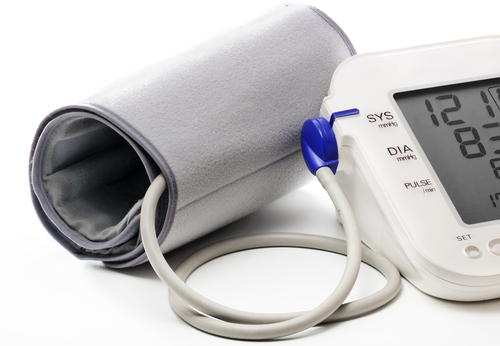
 What do blood pressure readings mean? Blood pressure is measured with an instrument called a sphygmomanometer. The top or “systolic” number measures blood pressure in the arteries when the heart beats and pumps blood out to the body. The bottom or “diastolic” number measures blood pressure in the arteries between heartbeats, when the heart muscle is refilling with blood. An example of a typical blood pressure is 120/80 mmHg. 120 is the systolic reading, and 80 is the diastolic reading. The abbreviation mmHg stands for millimeters of mercury, the unit used to measure blood pressures.

A normal blood pressure is a systolic reading below 120 and a diastolic reading below 80.  Hypertension is the term used to describe blood pressures above 140 systolic or 90 diastolic. Having systolic readings between 120 and 139 or diastolic readings between 80 and 89, indicate prehypertension, and places a person at increased risk for developing hypertension in the future.

Approximately one third of adults in the United States have some degree of hypertension. The following are some common risk factors that can lead to high blood pressure.


 ● A diet high in salt, fat, and/or cholesterol

● Chronic medical conditions such as kidney and hormone problems, diabetes and high     cholesterol

● Family history: You are more likely to have high blood pressure if your parents or other close relatives have it

● Lack of physical activity

● Older age: The older you are, the more likely you are to have high blood pressure

● Being overweight or obese

● Race: Non-Hispanic black people are more likely to have high blood pressure than people of other races.

● Stress

● Tobacco use or drinking too much alcohol

Most people with high blood pressure do not have any symptoms. This is why it’s sometimes called “the silent killer” and why it is so important to have your blood pressure checked regularly. If left untreated, hypertension can damage many parts of the body and increase a person’s risk for stroke, heart disease, and kidney failure.

You can have your blood pressure measured at a local doctor’s office, urgent care facility, hospital, visiting nurse association, and in some retail pharmacies. Sphygmomanometers can also be purchased for in home use.

If your blood pressure is found to be high, getting serious about lifestyle changes such as increasing exercise, smoking cessation and weight reduction can be very effective in reducing, even eliminating hypertension. If lifestyle changes alone don’t drop your blood pressure low enough, your doctor can prescribe medication to treat this condition.

More information on blood pressure and hypertension can be found at http://www.cdc.gov/bloodpressure/