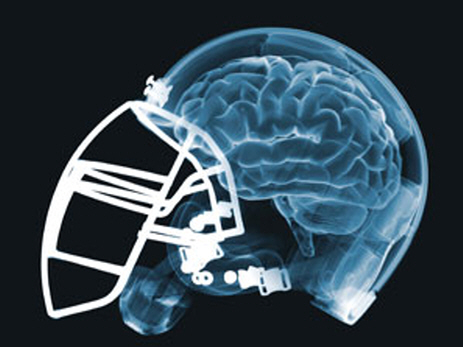
 The arrival of spring brings more opportunities for outdoor youth sporting events and activities. Young athletes on the field frequently sustain minor injuries such as cuts, bumps, and bruises. Sometimes, when athletes fall or collide with other players, head injuries occur. More serious head injuries that affect the brain are known as concussions.
A concussion occurs when an impact causes the brain to move back and forth within the skull. This movement can cause bruising of the brain itself or stretching, tearing or bleeding in the tissues and blood vessels that surround the brain. Patients who have suffered even a mild concussion should be monitored closely as it may take several hours, even days to determine the full effects of a concussion.
After any head injury, observe the individual closely, looking for the following:
- Any loss of consciousness
- Impaired physical functioning
- Behavioral, mood, and personality changes
- Confusion
- Forgetfulness or difficulty remembering recent events
Seek immediate medical care for the following signs or symptoms:
- Dilated pupils
- Worsening headache
- Increased drowsiness
- Nausea and vomiting
- Slurred speech
- Convulsions or seizures
- Significant memory problems or atypical behavior
- If the athlete “just does not feel right”
An athlete with a concussion needs time to heal and must refrain from sports activities until he or she is fully recovered and symptom free. Injured athletes should be evaluated and cleared to resume their sport by a medical provider. Repeat concussions can result in long-term problems in an athlete, including permanent brain damage.
To enjoy a safe spring sporting season, young athletes should always wear appropriate safety gear, follow the rules of the game, and avoid reckless or dangerous play.