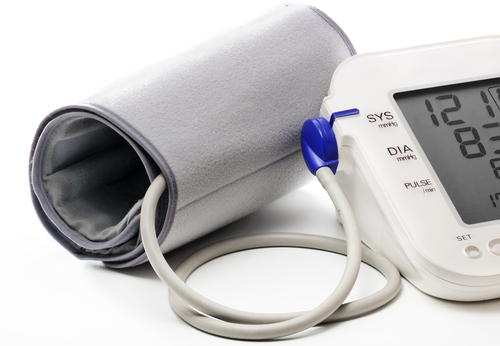
 What do blood pressure readings mean? Blood pressure is measured with an instrument called a sphygmomanometer. The top or “systolic” number measures blood pressure in the arteries when the heart beats and pumps blood out to the body. The bottom or “diastolic” number measures blood pressure in the arteries between heartbeats, when the heart muscle is refilling with blood. An example of a typical blood pressure is 120/80 mmHg. 120 is the systolic reading, and 80 is the diastolic reading. The abbreviation mmHg stands for millimeters of mercury, the unit used to measure blood pressures.
A normal blood pressure is a systolic reading below 120 and a diastolic reading below 80. Hypertension is the term used to describe blood pressures above 140 systolic or 90 diastolic. Having systolic readings between 120 and 139 or diastolic readings between 80 and 89, indicate prehypertension, and places a person at increased risk for developing hypertension in the future.
Approximately one third of adults in the United States have some degree of hypertension. The following are some common risk factors that can lead to high blood pressure.
● A diet high in salt, fat, and/or cholesterol
● Chronic medical conditions such as kidney and hormone problems, diabetes and high cholesterol
● Family history: You are more likely to have high blood pressure if your parents or other close relatives have it
● Lack of physical activity
● Older age: The older you are, the more likely you are to have high blood pressure
● Being overweight or obese
● Race: Non-Hispanic black people are more likely to have high blood pressure than people of other races.
● Stress
● Tobacco use or drinking too much alcohol
Most people with high blood pressure do not have any symptoms. This is why it’s sometimes called “the silent killer” and why it is so important to have your blood pressure checked regularly. If left untreated, hypertension can damage many parts of the body and increase a person’s risk for stroke, heart disease, and kidney failure.
You can have your blood pressure measured at a local doctor’s office, urgent care facility, hospital, visiting nurse association, and in some retail pharmacies. Sphygmomanometers can also be purchased for in home use.
If your blood pressure is found to be high, getting serious about lifestyle changes such as increasing exercise, smoking cessation and weight reduction can be very effective in reducing, even eliminating hypertension. If lifestyle changes alone don’t drop your blood pressure low enough, your doctor can prescribe medication to treat this condition.
More information on blood pressure and hypertension can be found at http://www.cdc.gov/bloodpressure/