National EMS Week

National Emergency Medical Services Week is a time to honor the dedication of those who provide the day-to-day lifesaving services on the front-line of medicine. EMSweek

Top 5 Characteristics that Best Describe Emergency Personnel

  1. Brave
  2. Compassionate
  3. Dedicated
  4. Empathetic
  5. Strong

Whether fighting crime, fires, or being the first to provide care when the need arises – emergency personnel are out there saving lives every day. During times of emergencies, it is easy to forget to show appreciation to the ones who are helping you, so be sure to thank them for their bravery, courage, and dedication!

Noteworthy Nurses!

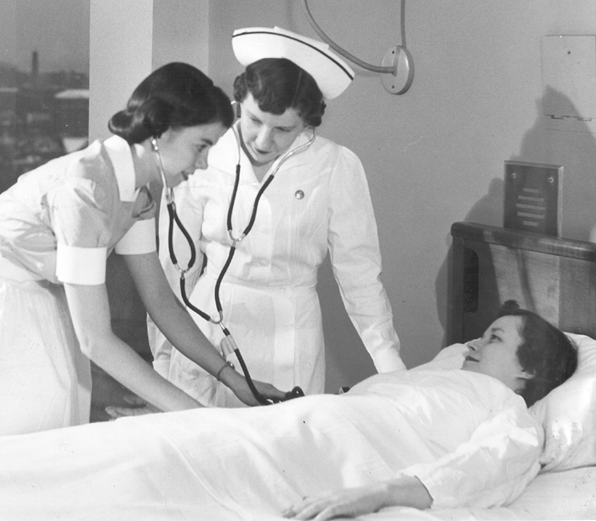
May 6th – May 12th is National Nurses Week, where we honor our compassionate and courageous nurses.

nurses

The field of nursing wasn’t always a respected or highly recognized career. Here are some of the most famous nurses in history who helped mold the nursing profession into the modern, respected field it is today.

Florence Nightingale- Known as “The Lady with the Lamp,” Florence Nightingale is possibly the most well-known nurse in history. Born into a wealthy British family, the call to nursing was early in her life.  After she completed her training she went directly into the field where she experienced devastating conditions.  Unhappy with the quality of patient care and unsanitary hygiene conditions, Nightingale and her fellow nurses started to tend to the soldiers and set their own standard of care.  It was successful, and she later went on to found her own school of nursing.  To this day, the school’s curriculum has laid the groundwork for modern nursing education. May 12th, 2014 is Florence Nightingale’s 194th birthday!

Clara Barton- Clara Barton may have started her professional life as a teacher and a recording clerk for the U.S. Patent Office, but she soon transformed into quite the humanitarian.  During the Civil war she became known as the “angel of the battlefield” and volunteered countless hours and efforts to helping the sick and wounded soldiers. At the age of 60, she founded the American Red Cross and led the group until 1904.

Mary Ezra Mahoney- The first African-American woman to complete nursing training and become a registered nurse was Mary Ezra Mahoney.  The hospital’s nursing school had 42 candidates, with only four graduates; Mary was one of those four. Mary went into private practice in New England and was an advocate for the rights of all African-American nurses.  She also co-founded the National Association of Colored Graduate Nurses in 1908.

—-

Health care is constantly changing and evolving. Today, more than ever, nurses are stepping out of their comfort zones and becoming active contributors and innovators in the health care system. Nurses are the largest group of health care professionals in the United States, with more than three million nurses in the field.

SOURCE: http://www.rncentral.com, http://www.nursingworld.org

What is Sarcoidosis?

Sarcoidois-Awareness-Ribbon

What is Sarcoidosis?

Sarcoidosis is a noninfectious, inflammatory disease.  Although the exact cause is unknown, sarcoidosis is thought to be due to an exaggerated immune response to an unknown trigger or substance the patient encounters.

People with sarcoidosis develop granulomas; small, abnormal clumps of inflammatory cells that cluster together. Although granulomas are most commonly found in the lungs, lymph nodes, eyes, and skin, they can form in almost any organ in the body.  If too many granulomas form in an organ, they can interfere with how that organ functions.

Sarcoidosis is rare, affecting approximately .01% of the population. In the United States, adults between 20 and 40 years old have the highest incidence of sarcoidosis. Women are affected more often than men and this disease is more commonly seen in individuals of African American or European descent.

Sarcoidosis causes different symptoms depending on which body parts it affects.  The lungs are involved in 90% of patients who have sarcoidosis. Symptoms of sarcoidosis in the lungs can include cough, trouble breathing, chest pains, fatigue, fever, and weight loss. Many people with sarcoidosis feel well and don’t have any symptoms at all, making it a difficult disease to detect.

There is no single test to tell if you have sarcoidosis. Medical professionals look at a patient’s history and physical exam findings in combination with imaging studies and tissue samples to determine if a person has sarcoidosis.

Since the cause of sarcoidosis is unknown, there is no cure. Patients with mild cases of this disease do not require any treatment. Frequently, about 50% of the time, people with sarcoidosis experience a spontaneous remission of their symptoms and disease. Patients with more severe cases of sarcoidosis are treated with steroids to relieve symptoms and limit tissue damage. Steroid therapy reduces the body’s immune responses and shrinks the granulomas caused by sarcoidosis.

For more information on Sarcoidosis, please visit the following links:

http://www.lung.org/lung-disease/sarcoidosis/

http://www.stopsarcoidosis.org/patient-resources/what-is-sarcoidosis/

 

Tips on Reducing Stress

Everyone has stress of some kind in their lives. Review the following tips from the American Psychological Association for ideas to help you manage the stress in your life more effectively.

stress-less

  • Identify your sources of stress. What events or situations trigger stressful feelings for you?
  • Learn your own stress signals. You may feel irritable or experience headaches, muscle tension, or fatigue. Identify any physical complaints you may have that might be linked to stress.
  • Understand how you experience stress. How are your thoughts or behaviors different from times when you do not feel stressed?
  • Recognize how you deal with stress. Determine if you are using abusing cigarettes, drugs, alcohol or food to cope. Is this a routine behavior, or is it specific to certain events or situations?
  • Take a break from the stressor. Give yourself permission to step away from stressful situations. Even taking just 20-minutes to focus on yourself is helpful.
  • Find healthy ways to manage stress. Don’t take on too much at once. Focus on changing a single behavior at a time.
  • Take care of yourself. Eat right, give yourself enough time to sleep, drink plenty of water, and engage in regular physical activity. No matter how hectic life gets, make time for yourself.
  • Exercise.  Exercise benefits your mind and your body. Taking a 20-minute walk, run, or exercise session in the midst of a stressful time can provide relief.
  • Smile and laugh. Laughing or smiling can relieve tension and improve your mood.
  • Meditate. Helps your body to relax and allows your mind to clear.
  • Get social support. Call a friend, send an email. Share your concerns or feelings with another person who understands and validates you.
  • Reach out for support. Accept help from supportive friends and family. If you continue to feel overwhelmed, seek professional help from a psychologist to assist you in coping with and managing your stressors.

For more information visit  www.apa.org