


May 6th – May 12th is National Nurses Week, where we honor our compassionate and courageous nurses.
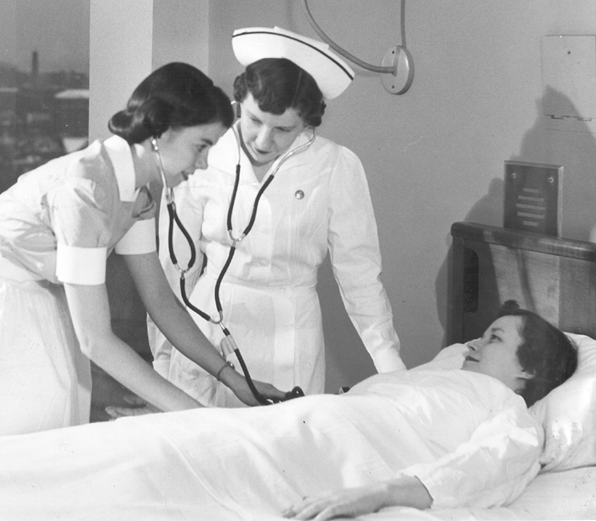
The field of nursing wasn’t always a respected or highly recognized career. Here are some of the most famous nurses in history who helped mold the nursing profession into the modern, respected field it is today.
Florence Nightingale- Known as “The Lady with the Lamp,” Florence Nightingale is possibly the most well-known nurse in history. Born into a wealthy British family, the call to nursing was early in her life. After she completed her training she went directly into the field where she experienced devastating conditions. Unhappy with the quality of patient care and unsanitary hygiene conditions, Nightingale and her fellow nurses started to tend to the soldiers and set their own standard of care. It was successful, and she later went on to found her own school of nursing. To this day, the school’s curriculum has laid the groundwork for modern nursing education. May 12th, 2014 is Florence Nightingale’s 194th birthday!
Clara Barton- Clara Barton may have started her professional life as a teacher and a recording clerk for the U.S. Patent Office, but she soon transformed into quite the humanitarian. During the Civil war she became known as the “angel of the battlefield” and volunteered countless hours and efforts to helping the sick and wounded soldiers. At the age of 60, she founded the American Red Cross and led the group until 1904.
Mary Ezra Mahoney- The first African-American woman to complete nursing training and become a registered nurse was Mary Ezra Mahoney. The hospital’s nursing school had 42 candidates, with only four graduates; Mary was one of those four. Mary went into private practice in New England and was an advocate for the rights of all African-American nurses. She also co-founded the National Association of Colored Graduate Nurses in 1908.
—-
Health care is constantly changing and evolving. Today, more than ever, nurses are stepping out of their comfort zones and becoming active contributors and innovators in the health care system. Nurses are the largest group of health care professionals in the United States, with more than three million nurses in the field.
SOURCE: http://www.rncentral.com, http://www.nursingworld.org

